We do not use Google Analytics or any third-party tracking.
The only cookie we set (with your permission) is an anonymous ID to keep this site functioning.
Learn more.
Fell Running
Richie Stevenson - Chairmanship, and 30 years on the Manx Fell Runners Committee.
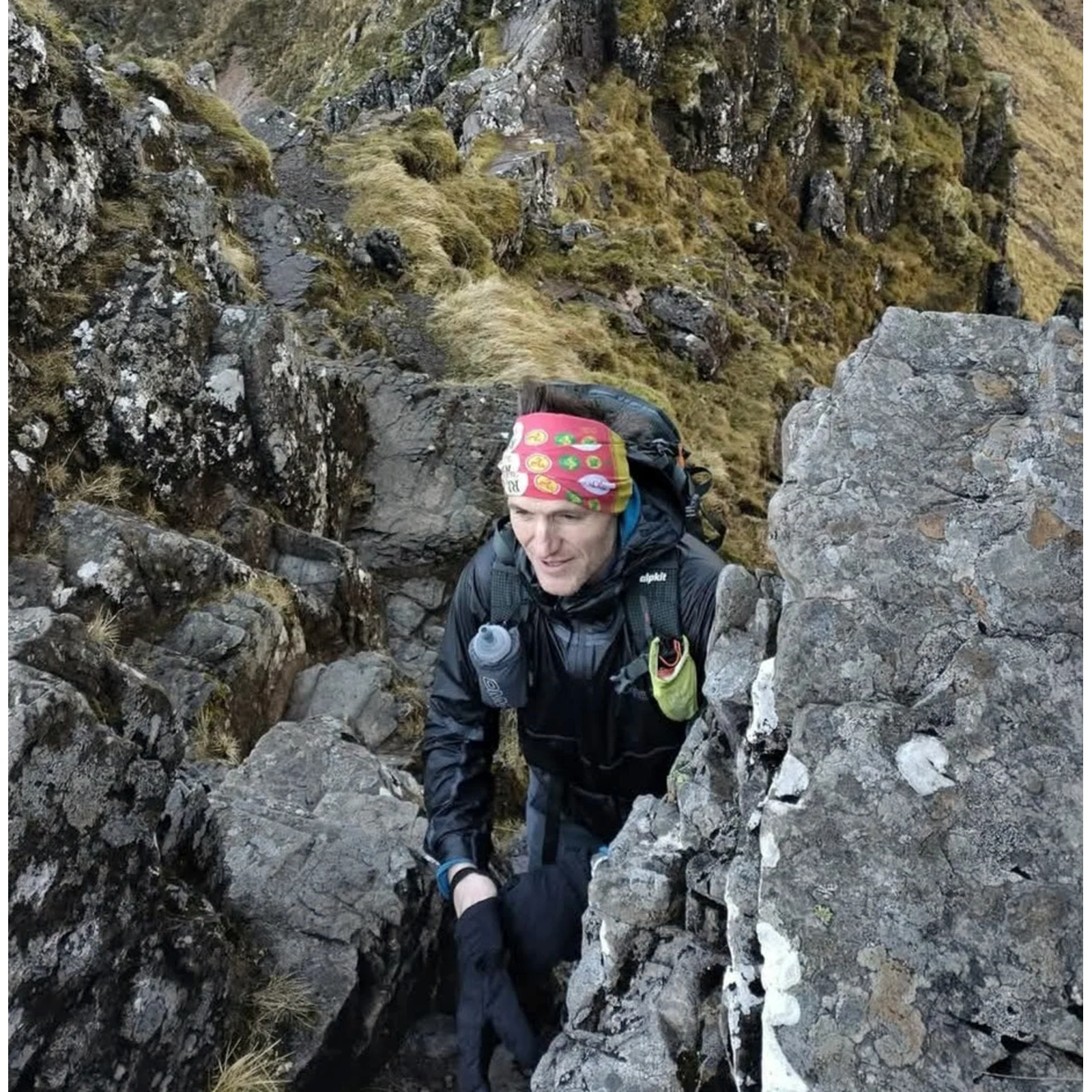 Presented by:
ESTR Pod
Category: Fell Running
Published on: July 18, 2026
Last updated: July 19, 2026
9 min read
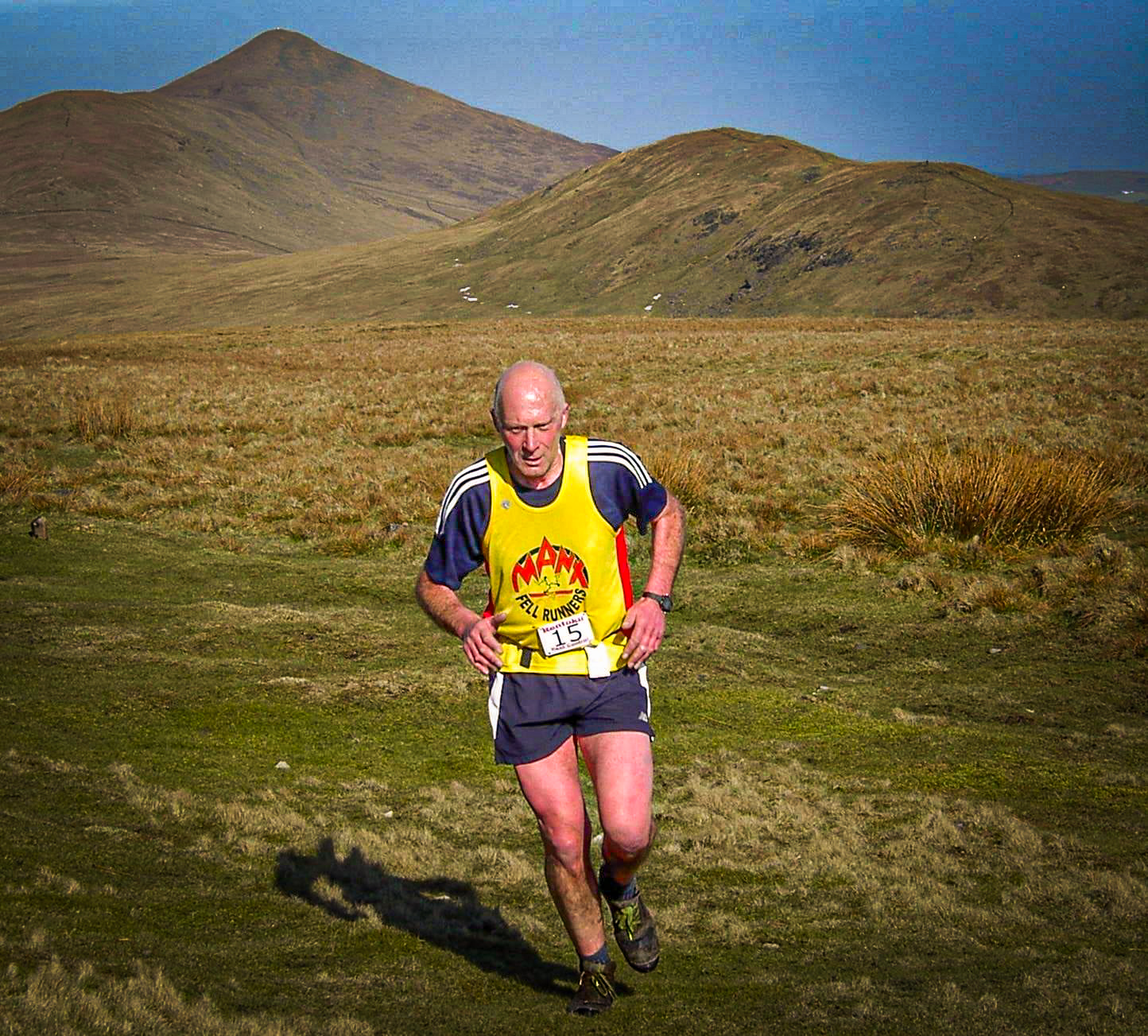
Presented by: ESTR Pod
Category: Fell Running Published: 18 Jul 2026
Updated: 19 Jul 2026 9 min read
I never imagined, when I was cycling as a schoolboy in the 1970s, that I would end up helping to found a fell running club or spending more than three decades on its committee. Life is funny like that, isn't it? One conversation in the Foresters Arms changed everything.
Richie
Contents
- How It All Started
- Before there was a club
- Forming Manx Fell Runners
- Race organisation on a shoestring
- Building the Fell Running Community
- My Fell Running and What It Means
- Stepping Down and Looking Forward
- Try Fell Running
- Who's Who
- Who's Who: The People Behind the Story
- Races Mentioned
- Races Mentioned in This Interview
Richie Stevenson swapped road cycling for fell running in the late 1970s, helped to establish Manx Fell Runners in 1982, joined its committee in 1991 and later served as secretary and chairman. Now, at 73, he has stepped down from the committee. This is his story of how a small, determined group helped fell running grow into a thriving Manx community.
How It All Started
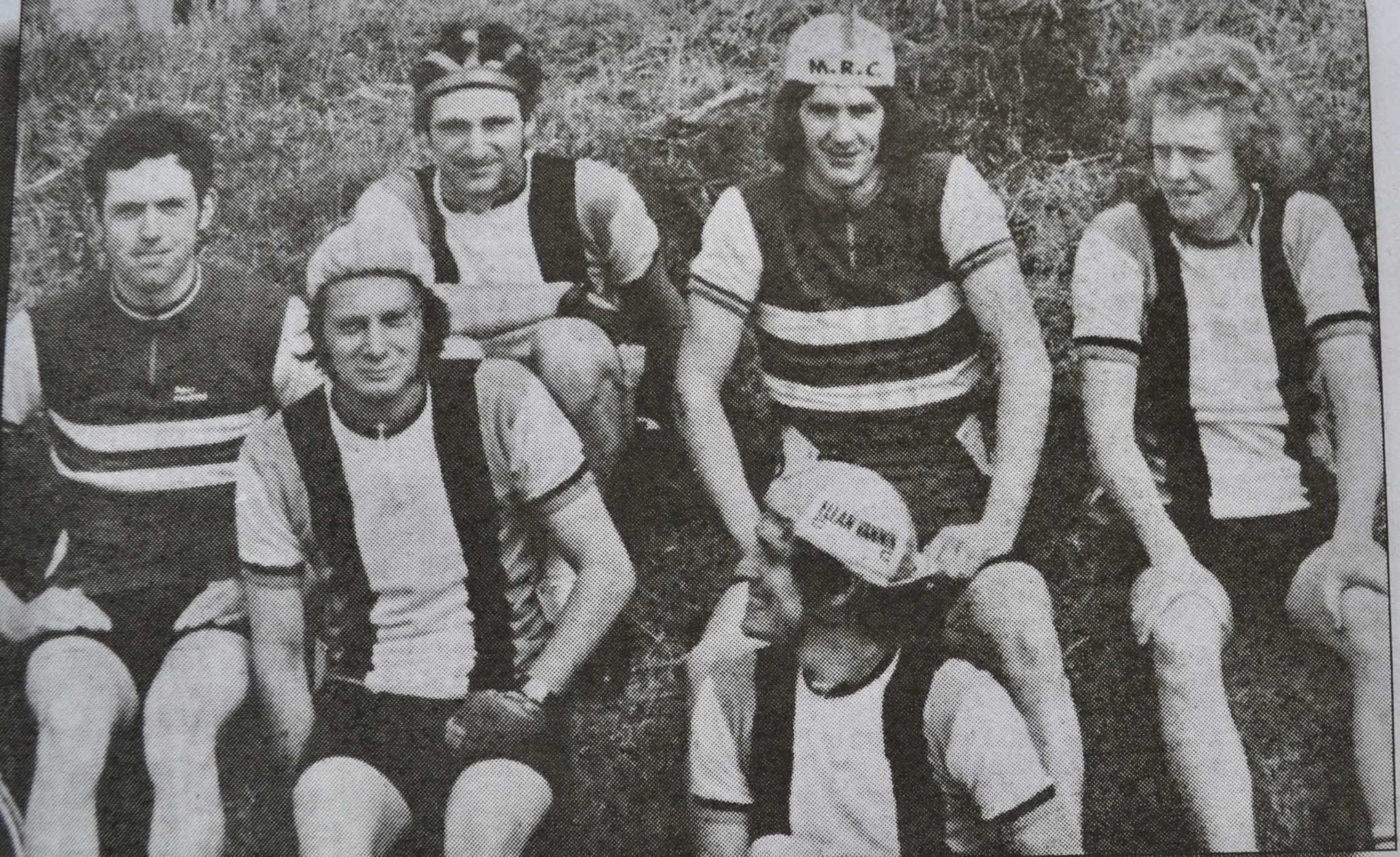
I come from a cycling background, really. I was road cycling and doing cyclocross in the late 1970s. Then I went through my teenage years of drinking and smoking, but I got back into sport. I was a postman at the time and the sorting office was on Circular Road in Douglas.
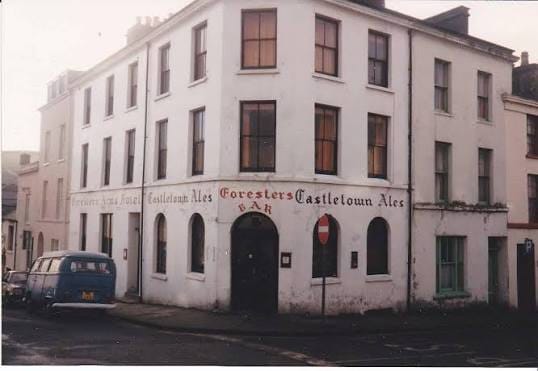
Just down the road was the Foresters Arms, so naturally that was where we would end up after work. Manx Athletic Club, as it was then, had its clubhouse nearby and some of its runners used to come into the pub after training. I had been at school with two of them, Steve Kelly and Dave Newton, who were both top road runners in their day. We started chatting and it grew from there.
One of those conversations led to my involvement in fell running. Tony Varley got his claws into me and pulled me into it all. There was not really a dedicated club at that point. The Manx Mountain Marathon was the main fell event: a long-distance route between the youth hostels in Ramsey and Port Erin, devised by George Broderick. The aim had originally been to complete it in under ten hours, but competitive runners soon transformed the challenge.
There was also the Bradda race, which began as a fundraiser for the Mountain Marathon. The Laxey Horseshoe, now the James Coulson Laxey, arrived later. In the early years, that was about the extent of the island's fell-running calendar.
With great difficulty, I can tell you.
Richie, on how fell running first got organised
Before there was a club
George Broderick devised the Ramsey-to-Port Erin route in the 1960s as a walking challenge between the island's youth hostels. Once the sub-ten-hour target had been achieved, discussions began about organising a race. Broderick also had a hand in the Isle of Jura Fell Race, creating a link between the early Manx event and the wider British fell-running scene.
Forming Manx Fell Runners
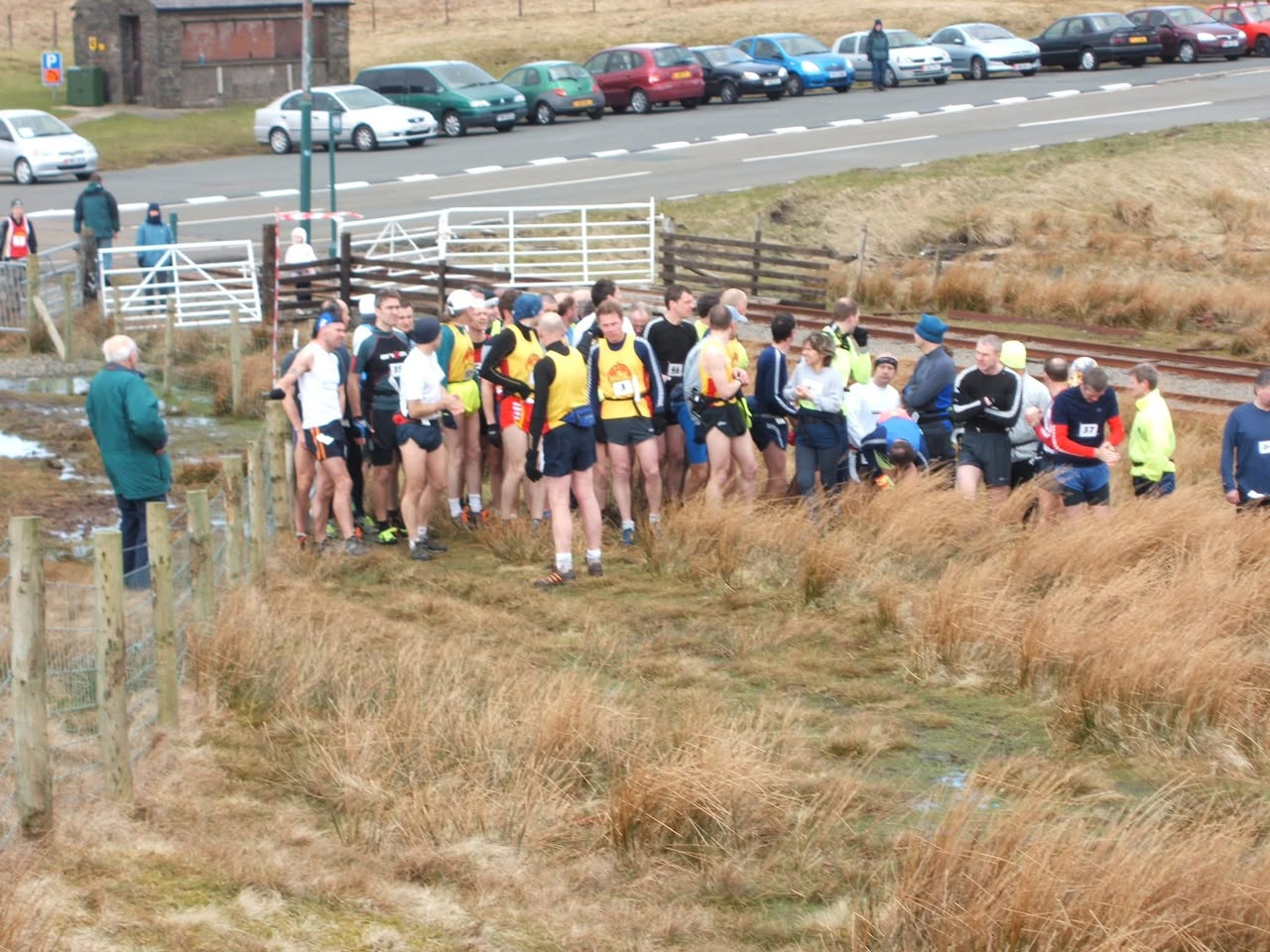
Getting the club started was a battle, to be honest. There were already established athletics clubs on the island, but we felt the sport would only develop if it had a dedicated fell-running club. The other clubs were more focused on track and field and did not see the point of what we were trying to do. We were not members of the Fell Runners Association then, so we were very much on our own. The more resistance we met, the more determined we became. Doug Drown was a major part of it alongside Tony Varley and me, and eventually we got our way.
The club was formally founded in 1982, after a couple of years of pushing. We were stubborn about it. There might have been only 30 runners at a race in those days. The initial name was the Manx Mountain Marathon Organisation, which was a bit of a mouthful, so it soon became Manx Fell Runners.
The first race I competed in was at St John's, when there used to be a fair on the green beside Tynwald Hill. The route went up Slieau Whallian and back, using the track we call the Klondike Road. It was a good descent in those days, although bikes, weather and water have changed it over the years.
It just seemed the right thing to do. If we wanted to progress the sport, then I think we had to do it.
Richie
Once we were established, Arthur Jones became invaluable. He is my all-time hero when it comes to organising. He also helped keep the Parish Walk going when it was struggling. We had hardly any money in the club's early days, so proper race equipment was out of reach. For checkpoint slips, we cut up pieces of lino and punched them with old bus-ticket punches. After years in Manx weather, some of those punches were so rusty they were almost impossible to squeeze.
Race organisation on a shoestring
The lino slips and mechanical punches were a simple but effective way to show that runners had passed through remote checkpoints. It was a world of pencil, paper and volunteer effort, long before online entries, digital timing and mobile communication became part of race day.
- Late 1970s | Returns to road cycling and cyclocross, then discovers fell running through friends from the Foresters Arms.
- 1982 | Helps establish the organisation that becomes Manx Fell Runners.
- 1991 | Joins the club committee.
- 1998 to 2004 | Serves as club secretary.
- 2004 | Becomes chairman.
- 2026 | Steps down from the committee at the age of 73.
Building the Fell Running Community
What makes me most proud is how the sport has developed, especially the number of women now running. There were hardly any when I started. Rose Hooton might have been the only woman in some races. Now it is brilliant to see so many women out on the fells.
It is not only about racing. I love seeing people explore the island's hills. Our Sunday Plodders group attracts people who have never run in the countryside before. Some arrive terrified because they expect everyone to be a super-fit athlete, then discover how friendly the group is, including the fastest runners. That is what makes it special.
We seem to attract all the right people, don't we? Good eggs, all of them.
Richie
So many people have been crucial to the club. Maggie Lockley has been brilliant, even though she was better known as a marathon runner than a fell runner. Walter Kennaugh, our long-time timekeeper, persuaded her to help and she became invaluable. Tony Rowley was a top competitor and also worked tirelessly for the club. He had the most league wins and ran the Mountain Marathon in under five hours, but the time he gave to the club mattered just as much.
We have also been fortunate to have strong committees through difficult periods, including foot-and-mouth disease and Covid. The club kept moving because people were willing to give their time, adapt and look after one another.
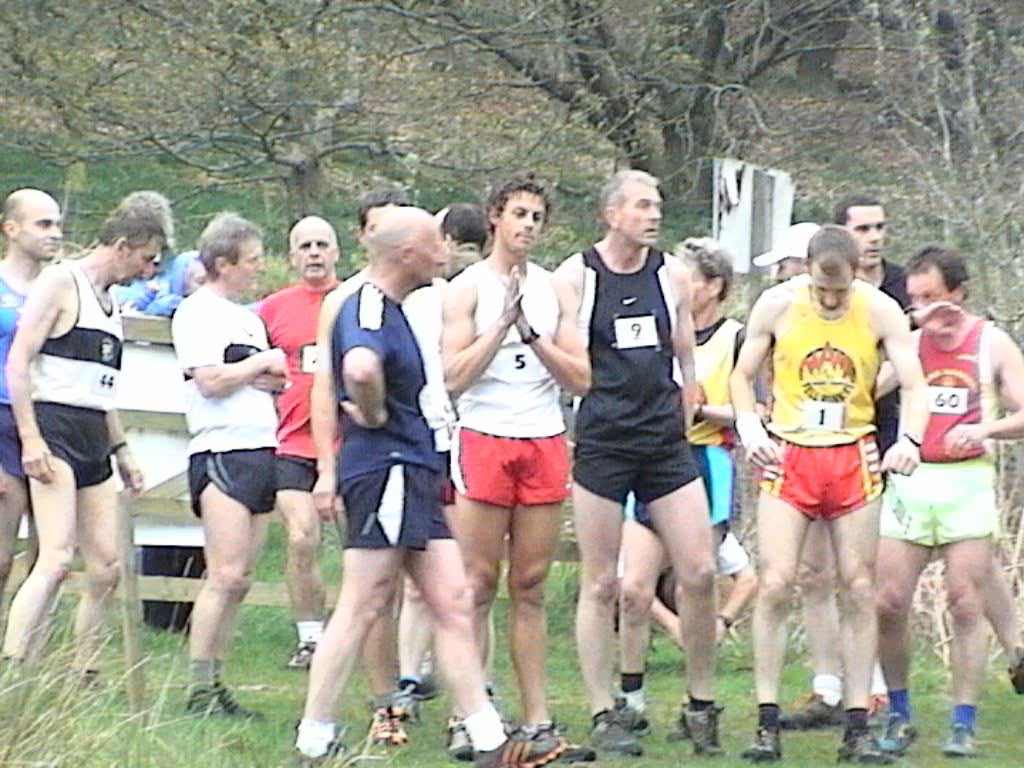
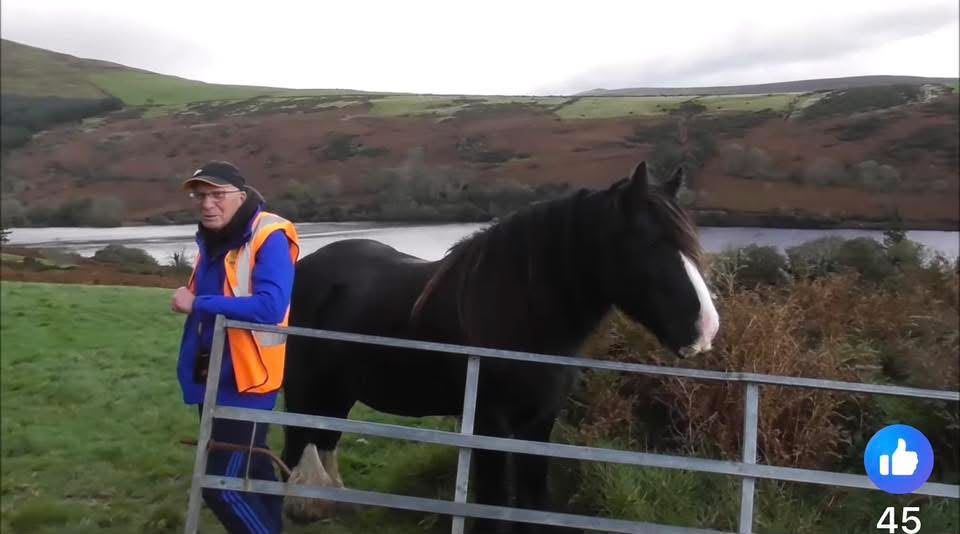
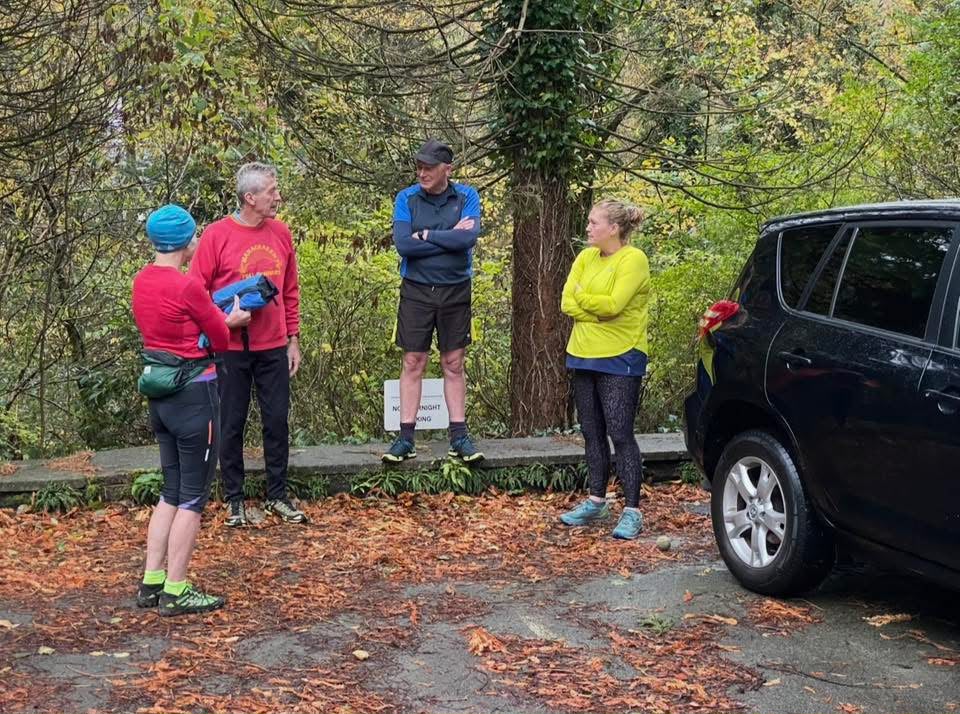
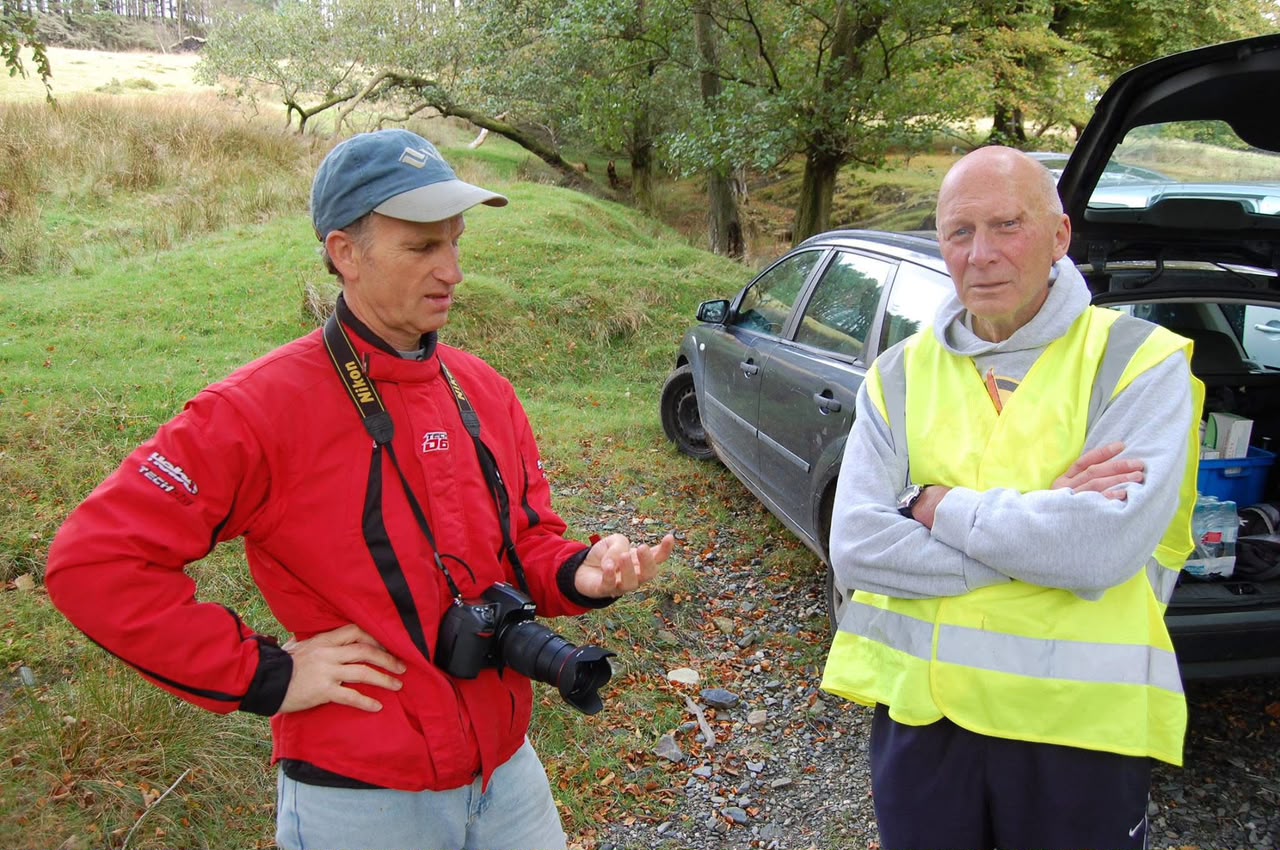
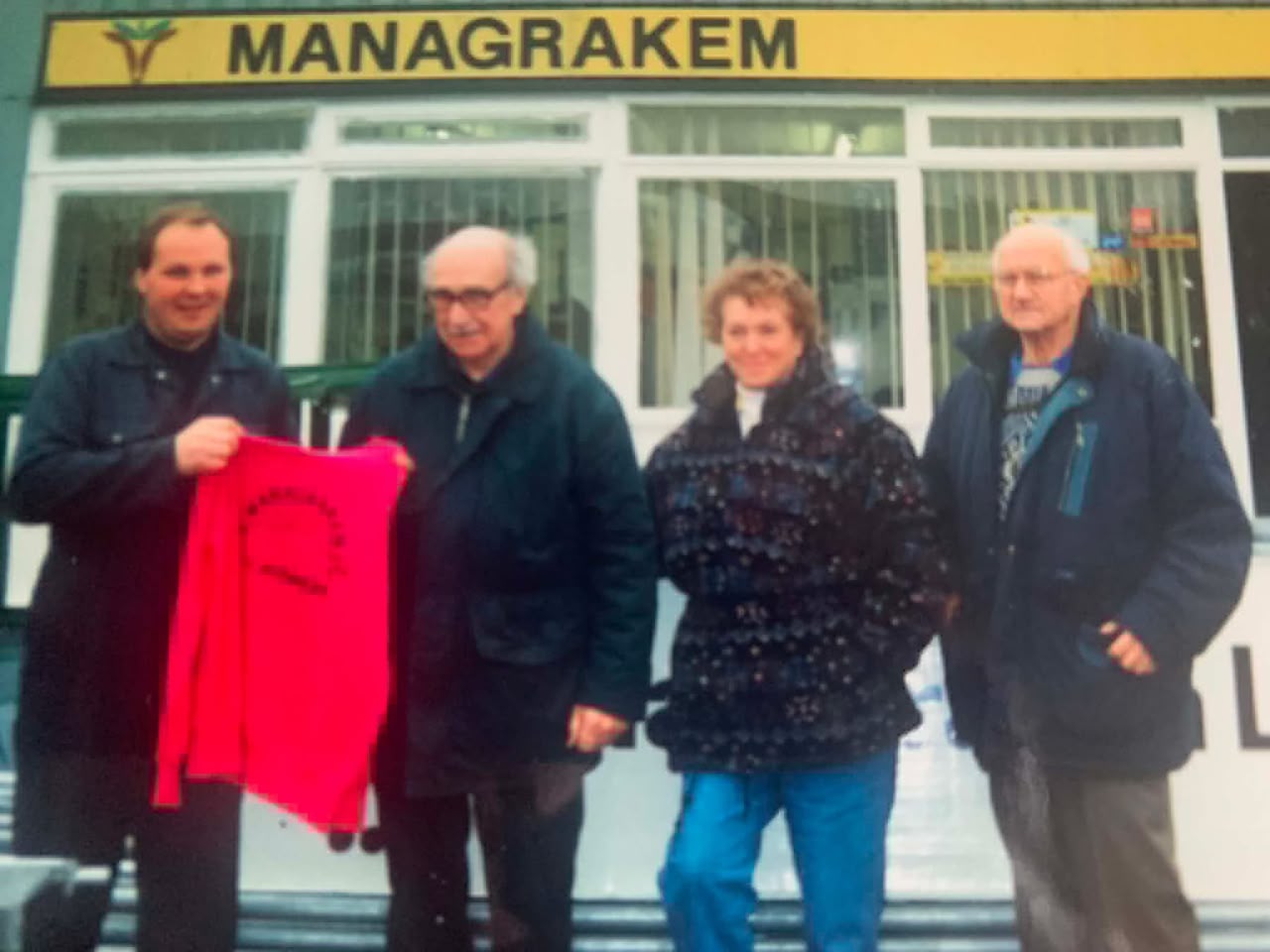
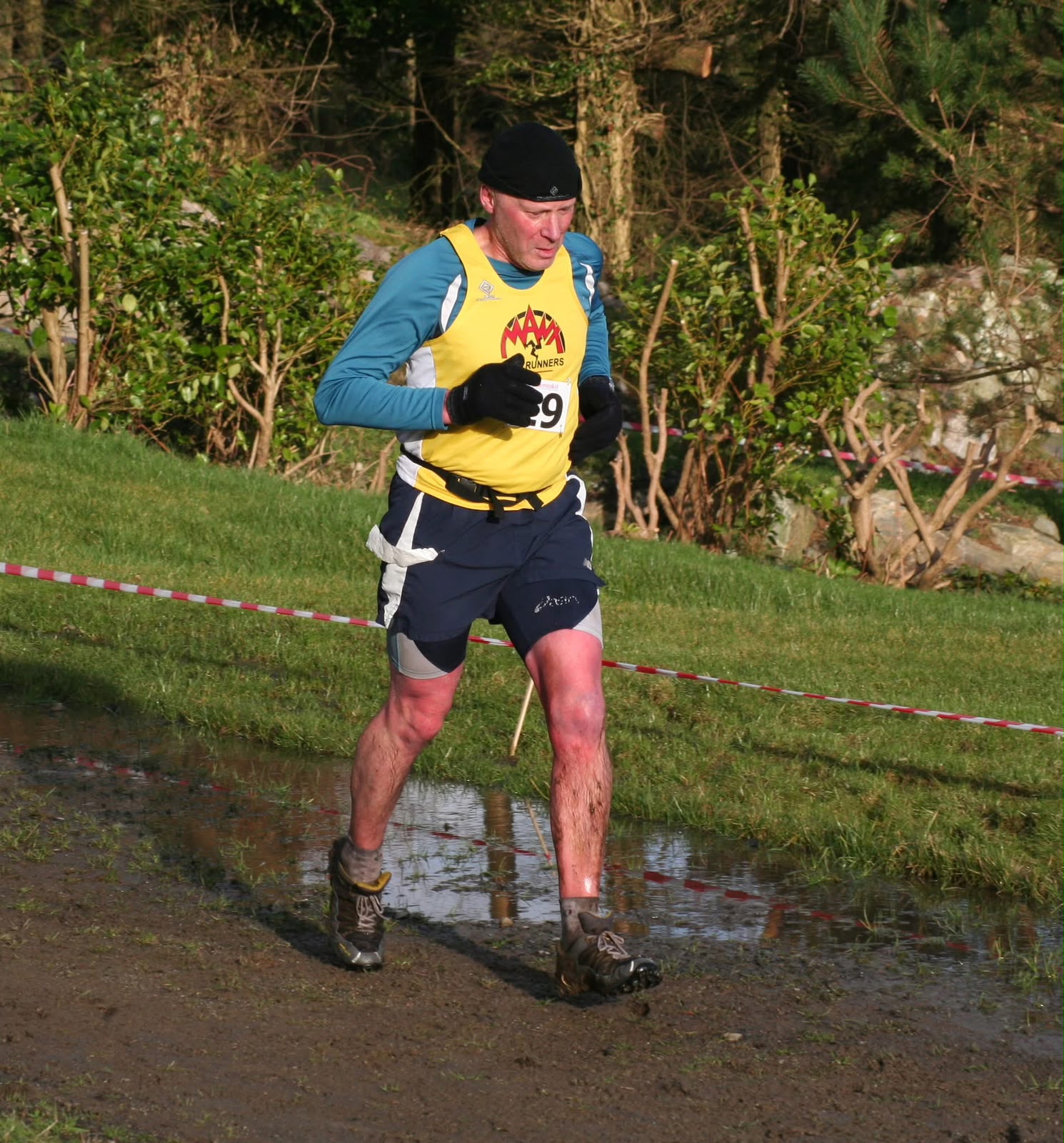
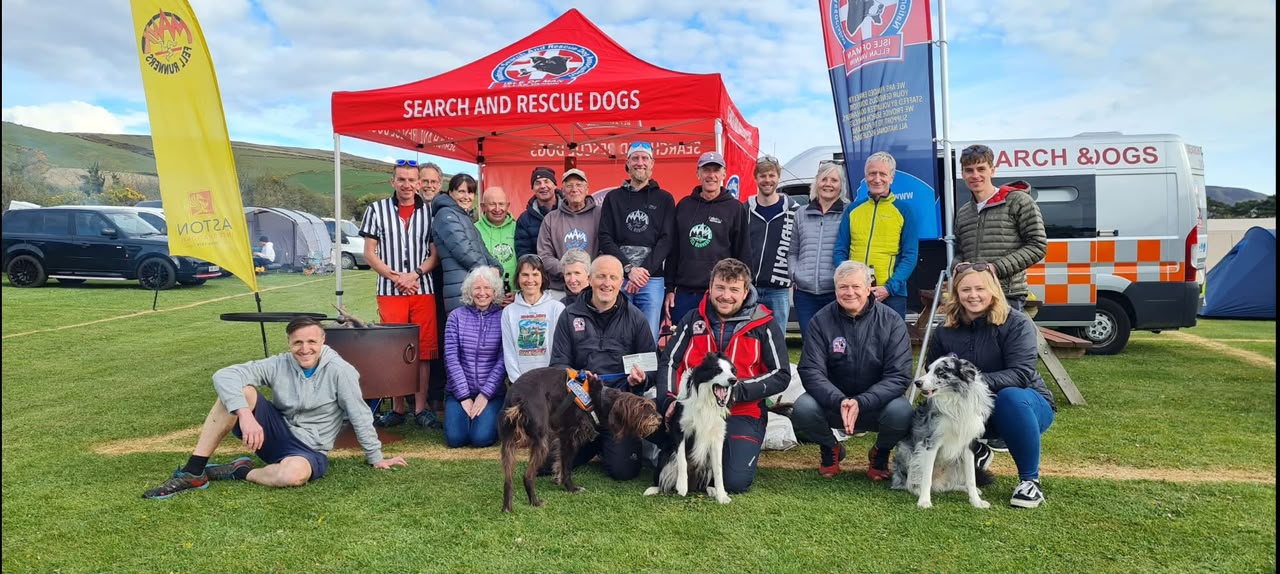
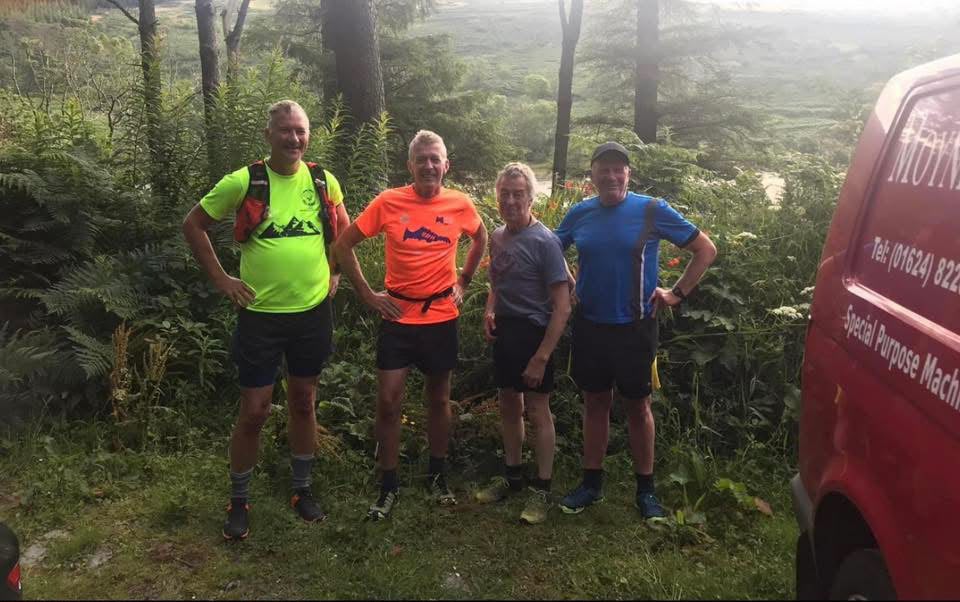
1 / 9
My Fell Running and What It Means
My favourite course on the Isle of Man is the original Axnfell course. It started and finished at the plantation picnic area and suited me because it was steep, up and down, without long runnable stretches in between. Long, flat running was never my strength. I wanted tough conditions and ground that was as steep as possible.
Navigation always came naturally to me, too, including through woodland. I cannot remember getting properly lost. If you spend enough time on the hills, even when you drift off line, something in the landscape tells you that you should not be there.
People ask what fell running means to me beyond racing and organisation. I suppose you could almost call it my religion, because I am not a religious person. It is the feeling of being on the fells, in the plantations or simply out in the country. I once worked with a man who kept asking what I saw in the hills. He took the tram to Snaefell on a beautiful day, spent an hour at the summit, and told me the next morning that he finally understood what I meant.
Some memories stay completely vivid. Once, while following the Mountain Marathon route in terrible frozen weather, we reached Snaefell and saw enormous icicles breaking away and hitting the ground like bombs. There were no mobile phones to capture it, but I can still see it now.
Another time, near Mullagh Ouyr, the whole TT course was covered in mist. At the summit it was clear and sunny. As I descended towards the Bungalow, the sun was behind me and my shadow stretched, enormous, across the mist. That is what I mean when I say fell running is more than a sport. It is about moments like those.
You could almost say it is my religion. When I am up on the fells or in the plantations, it is just that feeling.
Richie
Stepping Down and Looking Forward
I joined the committee in 1991, served as secretary from 1998 to 2004 and then became chairman. Stepping down brings relief and a bittersweet feeling. I have to remember not to prod people or try to organise everything. But I am 73 now and I think I have done enough years. The club needs younger blood, and I have complete confidence in the committee that is there now. They are very, very good.
In another 20 years, I hope the club is bigger. Trail and off-road running are gathering momentum. Fell running is old-fashioned in some ways, and there is value in protecting its grassroots traditions while still moving with the times.
My advice to anyone thinking of trying it is simple: have a bash. A short summer race or a run with the Sunday Plodders is a good way to learn about the terrain, the environment and the people. Communication is completely different now. Social media and mobile phones make it easy to find company and arrange a run. We began with pencil, paper and no way to contact someone once they were out on the hill.
I have been incredibly lucky to be part of Manx Fell Runners for so long, watching it grow from races with perhaps 30 people into the community it is today. I never imagined that conversation in the Foresters Arms would lead to all this.
There is one last story that captures the commitment behind the club. Walter Kenyuk attended committee meetings at Arthur Jones's house for years, but rarely said much. When I finally asked him about it, he told me he was deaf and could not hear a word we were saying. Every meeting had been a blur to him, yet he still turned up. That is commitment.
Try Fell Running
Want to try it yourself? The Sunday Plodders are the most welcoming place to begin. The group runs at a conversational pace, often finishing with coffee and cake, and is designed to help people discover the hills without the pressure of racing.
Manx Fell Runners also organises a year-round programme of fell races and leagues. Because dates, entry arrangements and kit requirements can change, use the club's current fixture list for the latest details rather than relying on an old calendar.
Who's Who
Who's Who: The People Behind the Story
A quick guide to the people Richie mentions in the conversation.
Richie StevensonFormer chairman and founding club figure
Cyclist and postman turned fell runner; one of the people who established Manx Fell Runners; committee member from 1991 to 2026, including service as secretary and chairman.
George BroderickRoute designer
Devised the original Ramsey-to-Port Erin mountain route and also helped shape the Isle of Jura Fell Race.
Doug DrownClub founder
A key figure in establishing the dedicated fell-running club alongside Richie and Tony Varley.
Tony VarleyEarly club organiser
Helped draw Richie from the cycling scene into fell running and the emerging club.
Arthur JonesRace organiser
An organiser Richie describes as his all-time hero; also an important figure in the history of the Parish Walk.
Tony RowleyRunner and volunteer
Leading competitor, sub-five-hour Mountain Marathon runner and tireless club volunteer.
Maggie LockleyRunner and club organiser
Accomplished marathon runner who became an invaluable club organiser.
Rose HootonEarly Manx fell runner
One of the earliest women competing in Manx fell races, sometimes the only woman on the start line.
Walter KennaughTimekeeper and committee member
Long-serving timekeeper and committee stalwart who persuaded Maggie Lockley to help with the fells.
Steve Kelly and Dave NewtonRoad runners and early influences
Richie's school friends and leading local road runners whose pub conversations helped draw him into the sport.
Races Mentioned
Races Mentioned in This Interview
Race calendar
Manx Fell Runners 2026/27
The current league dates in one clear reference.
| Date | Race | Season |
|---|---|---|
| Narradale 26/27 | 2026/27 | |
| Snaefell & More Tholtans 26/27 | 2026/27 | |
| St Johns - New Years Day 26/27 | 2026/27 | |
| Ard Whallan 26/27 | 2026/27 | |
| The Little Victory Fell Race 26/27 | 2026/27 | |
| Manx Half Mountain Marathon 26/27 | 2026/27 | |
| Manx Mountain Marathon 26/27 | 2026/27 | |
| James Coulson Laxey Fell race 26/27 | 2026/27 |