We do not use Google Analytics or any third-party tracking.
The only cookie we set (with your permission) is an anonymous ID to keep this site functioning.
Learn more.
Podcast
From COPD diagnosis to ultra-endurance: Mick's remarkable transformation
 Presented by:
ESTR Pod
Category: Podcast
Published on: May 19, 2026
Last updated: September 16, 2026
12 min read
Presented by: ESTR Pod
Category: Podcast Published: 19 May 2026
Updated: 16 Sep 2026 12 min read
Two years ago, Mick Lee was a smoker, a self-described couch potato, and struggling to climb stairs at work because of COPD and asthma. After being told his condition would only worsen, he decided to change the direction of his life.
Since then, Mick has gone on to complete some incredible endurance challenges, including the Fire & Ice Ultra in Iceland, a 250-kilometre self-supported race where he carried a 13kg backpack while racing with a fractured collarbone. He has also pushed himself far beyond his comfort zone through events such as the Copper Trail Sky Race in Wales, the Manx Mountain Marathon, and the Marin Ultra Challenge 50 Mile in San Francisco.
His journey is proof that resilience, consistency, and the right support can completely transform both physical and mental health.
The wake-up call: COPD diagnosis at 40
I'd been struggling for years without realising quite how bad things had become. As a plumber, I was constantly climbing stairs in office blocks, shifting boilers, and I just couldn't keep up with the lads on site. They'd be flying up multiple floors while I was gasping for breath on the second landing. The dizzy spells and panic were becoming normal, which they shouldn't be.
My asthma had been with me since childhood, something I inherited from my mum. But the COPD was something I'd brought on myself, really. Years of construction work without proper protection, cutting concrete with still saws in clouds of dust, painting water tanks with bitumen fumes, cutting metals without masks. The silica dust, the fumes, all of it just wrecked my lungs. I was smoking as well, which obviously didn't help. By the time I hit 40 and finally went to the doctor, she had a pretty clear idea what was coming.
I got diagnosed with COPD at the age of 40. It's basically a lung disease. It's very restrictive of breathing, makes general day to day walking difficult. Stairs, anything really - any dust that comes about and your lungs sort of shrink immediately.
Mick
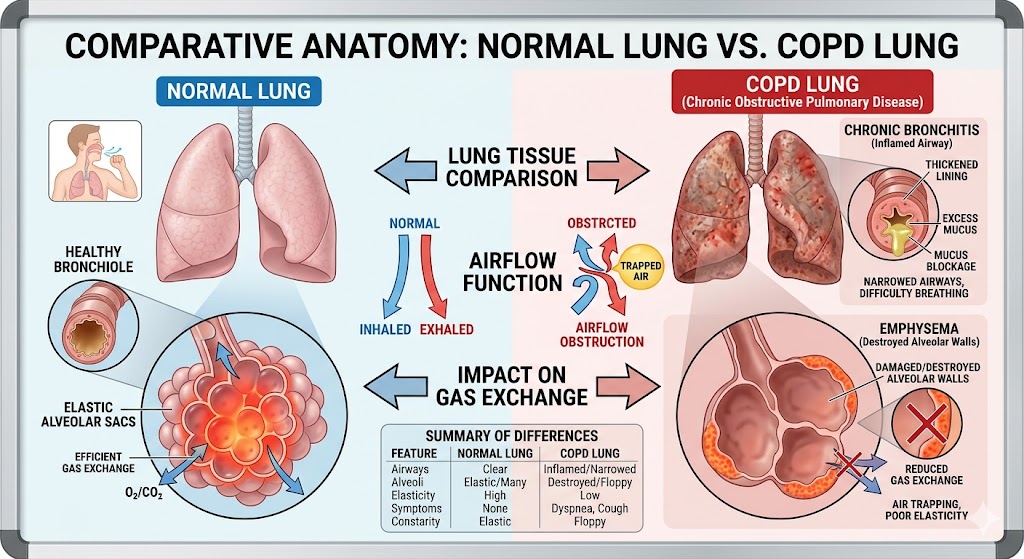
The diagnosis was both a relief and devastating. It was a relief to finally know there was something actually wrong with me, something physical I could put a name to. But the way they explained it was bleak. I was told to take it easy, wrap up warm, avoid dust, avoid the cold, and that eventually I might need oxygen. This is a chronic condition that gets worse over time. That's what they said. For a 40-year-old plumber, that felt like I was being told my life was done.
Refusing to accept the limitations
But I don't like being told what I can't do. I started walking, doing five or six miles in the morning and the same at night, and I could feel the mucus lifting off my chest. After six months though, I was still struggling more than people around me. My own kids came out with me on summer walks and they noticed I was still gasping for breath. That's when I knew something had to change.
The funny thing is, I was out hiking in the fells one day - and I've always loved the countryside, always have - when someone ran past me. I'd just spent 45 minutes struggling up a hill and watched them run straight up it and carry on with their life like it was nothing. I thought, I want to be able to do that. Just because someone said I can't doesn't mean I can't.
I got some shoes and that was it. Wrecked my legs within a month. Yeah, that's it. The worst shin splints ever.
Mick
So I bought some trainers and started running. Within weeks I had terrible shin splints, which should have told me I needed help. A friend recommended Orran at ESTR, and Chris Cale at Up and Running gave me Orran's contact details. I messaged him on Facebook and that was it - everything changed. We had to get clearance from my asthma nurse first, and luckily her husband was in the fell runners so she knew the benefits of it all.
Building confidence through training and community
The first thing Orran and I worked on was bringing down my effort levels. I was just hammering every single run, which is why I was getting injured. We built in strength and conditioning alongside lower mileage, and that gave me a side of training I'd never understood before. Then we slowly added the miles back in, and suddenly I could go out for as long as I wanted without paying for it the next day.
But confidence was a bigger issue than fitness. I wouldn't run with other people. I thought everyone would laugh at me because of my breathing - I sounded like Darth Vader with flu at times. The anxiety was real, especially when we started adding intensity work. That panic of losing control of my breathing with COPD was something we had to work through over months.
Then Orran asked if I wanted to come to a hill rep session. An hour before, I nearly cancelled. I'd never met these people, never done the course, no idea what to expect. But I just thought, that's not how you progress, so I went. Everyone was friendly straight away, a proper meet and greet. You set off up the hills and realise that people are doing their own thing. They don't care what you're doing, they're not even interested.
It's like a big family event. It's like family games. Like they get together for Sunday dinner, but we choose to flog if out. It's always a good natter, a good gothic laugh. We all try hard, we all sweat and get to the top and think, I don't want to do that again. And then we do exactly the same thing.
Mick
That community became everything. Hearing what everyone else was doing, what they had coming up, it pushed me to think bigger than I'd ever imagined. I got to a point where I realised I could actually do a lot more than I was told I could.
Racing with purpose: The Fire and Ice challenge
My first fell race was Axenfell, a 20-miler with similar elevation to the Manx Mountain Marathon but longer. No one explained that to me beforehand, so I just went for it. Then I did the Manx Mountain Marathon itself, my original big goal. I was so nervous, I didn't eat during the whole thing, just had Tailwind and water. That was brutal but brilliant - I got through it and proved to myself what was possible.
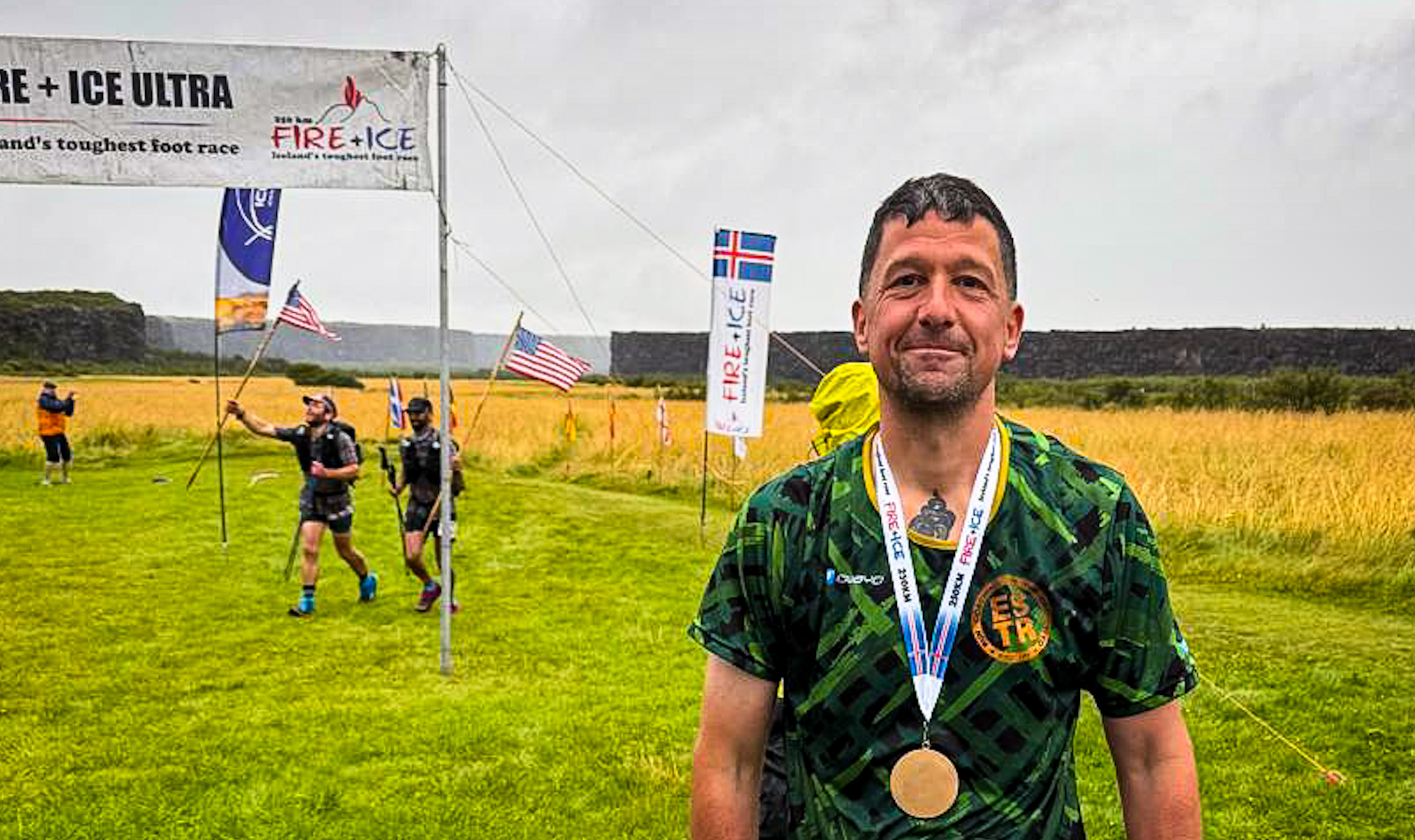
After that, I thought, right, let's go bigger. I went on holiday to Iceland with my youngest son and looked up races they had there. Fire and Ice came up immediately - 250 kilometres, carrying all your own food, sleeping bag, clothes, everything. Thirteen kilograms at the start. I signed up.
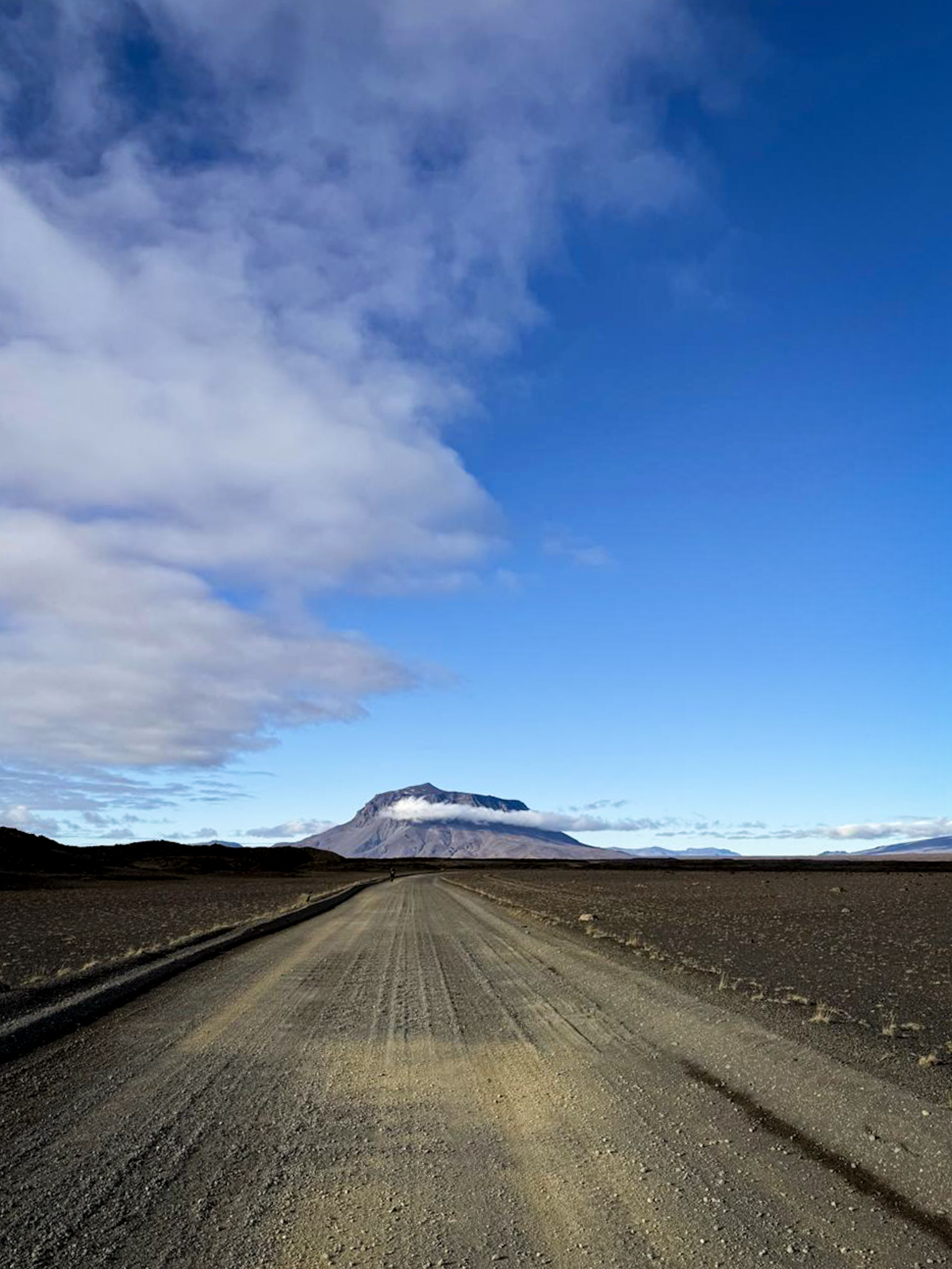
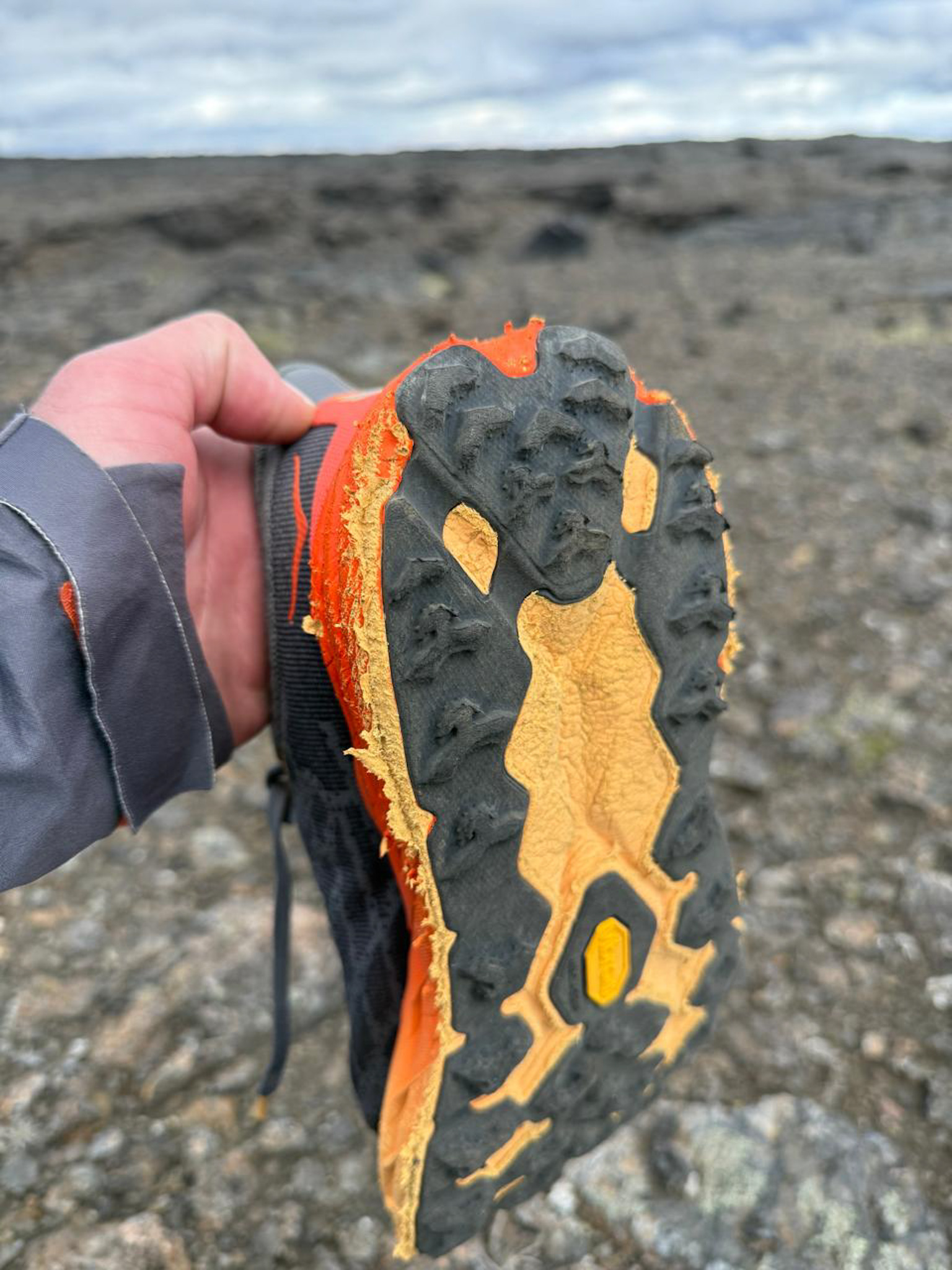
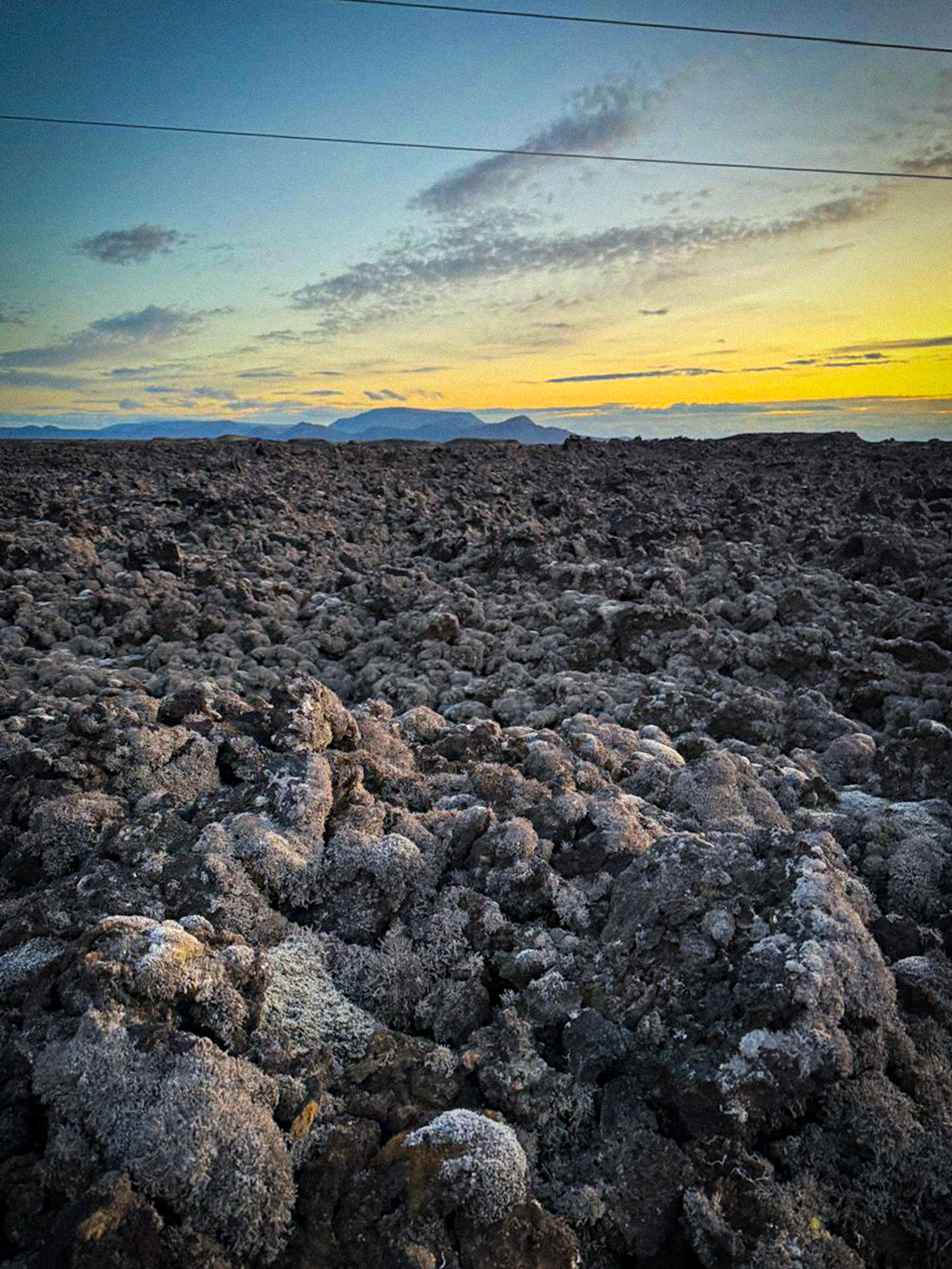
The first day was red hot and I made a stupid mistake. I fell off some volcanic rock with my backpack on, tore a muscle in my shoulder, and fractured my collarbone. Seven miles into a 250-kilometre race. The next day was my 45th birthday and it started with a volcanic dust storm. Thirty kilometres of just dust, absolutely brutal. I had asthma and COPD, a broken collarbone, and I'd left my poles behind. I had a buff I couldn't breathe through, but if I took it off the dust went straight into my chest. The sandstorms there are known for stripping paint off cars.
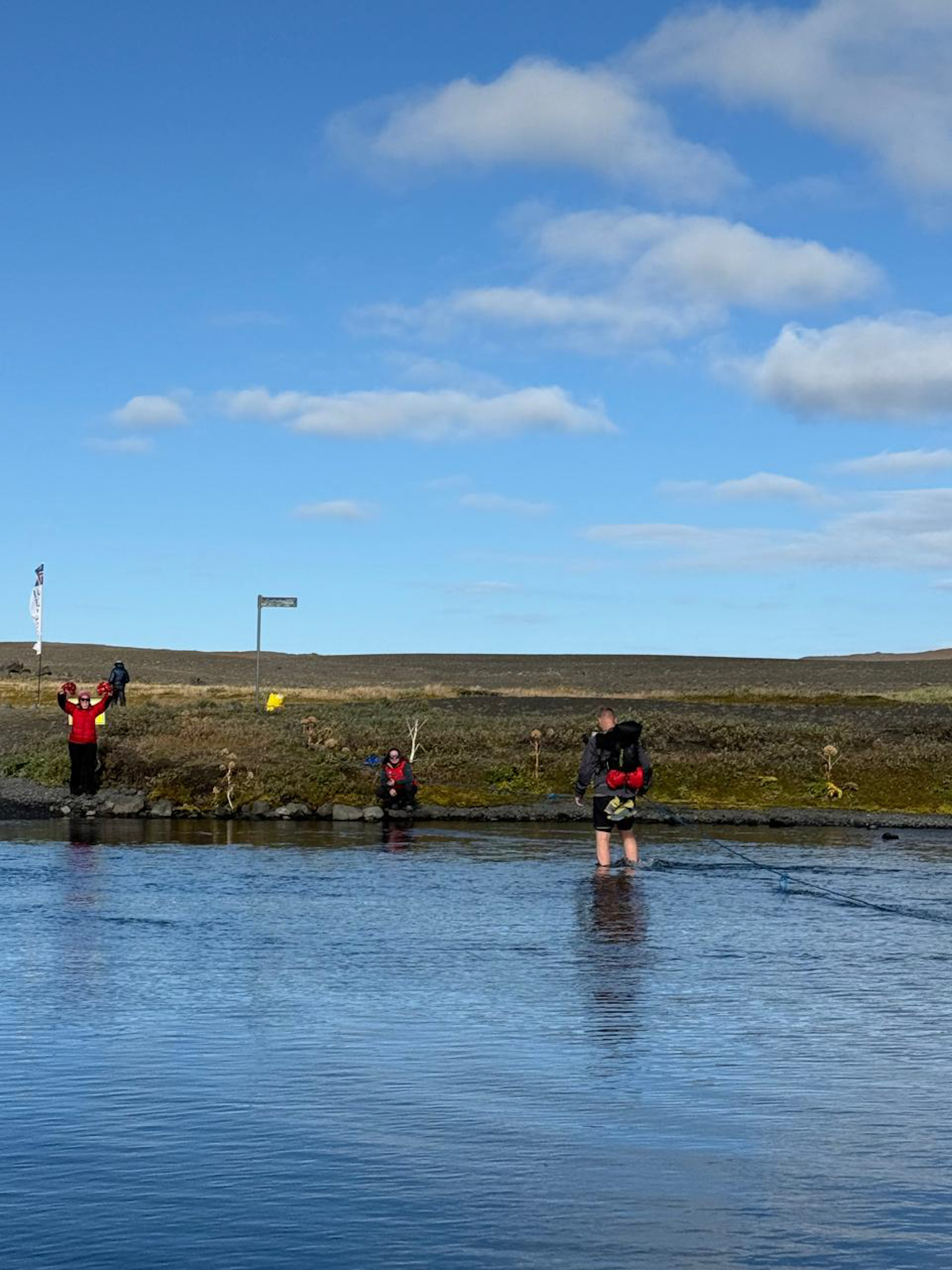
Mick: I sat down, I thought, I've had enough of this. My shoulder's killing me, I can't cope. I opened my phone, turned flight mode off, and I got all my birthday messages in one go. So I had a little teary moment and then I saw some people coming down the hill and I thought, well, they're not beating me today. I went straight through the river.
Orran: Pick yourself back up?
Mick: Yeah, a little river crossing before you get back to camp.
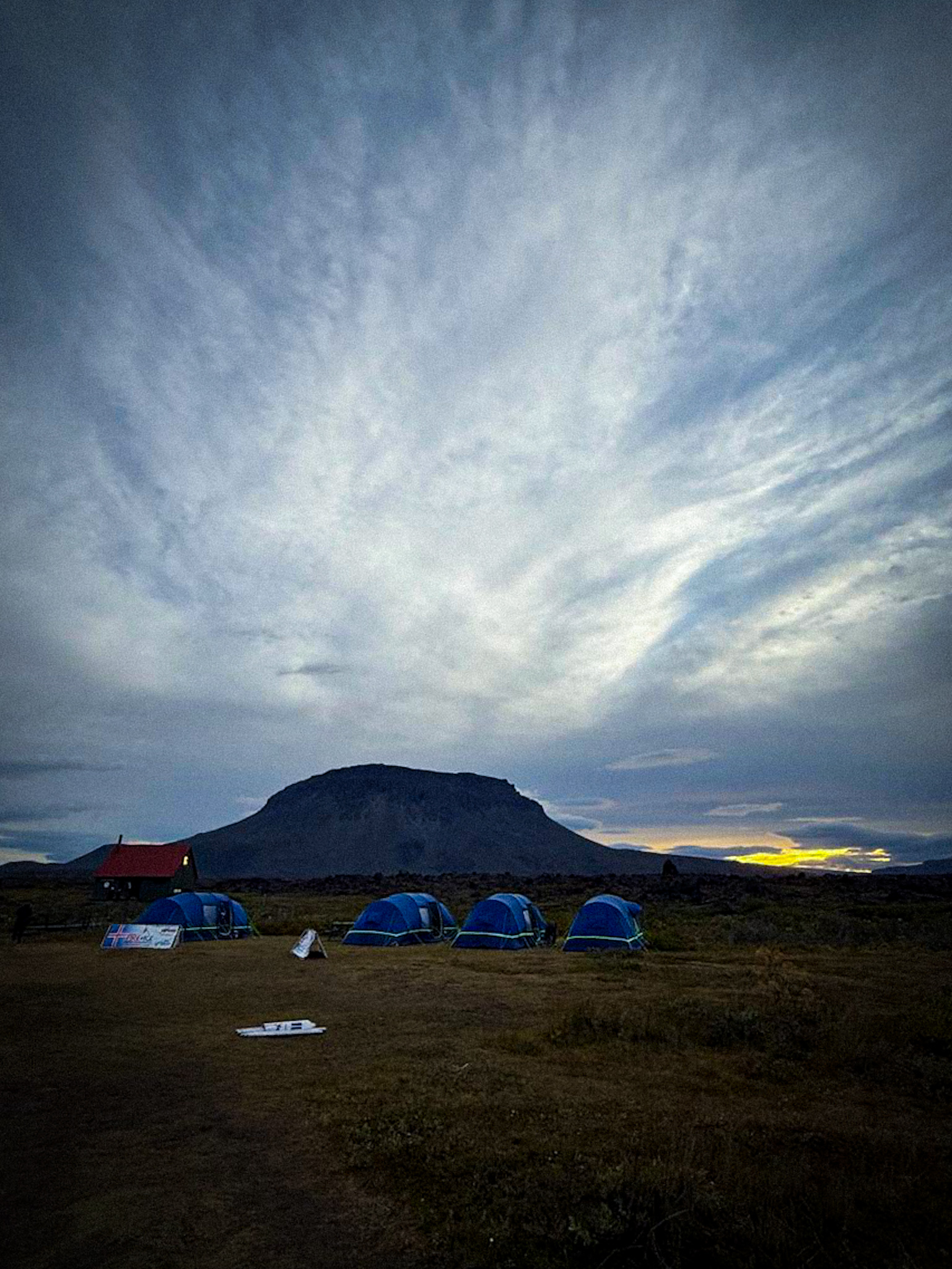
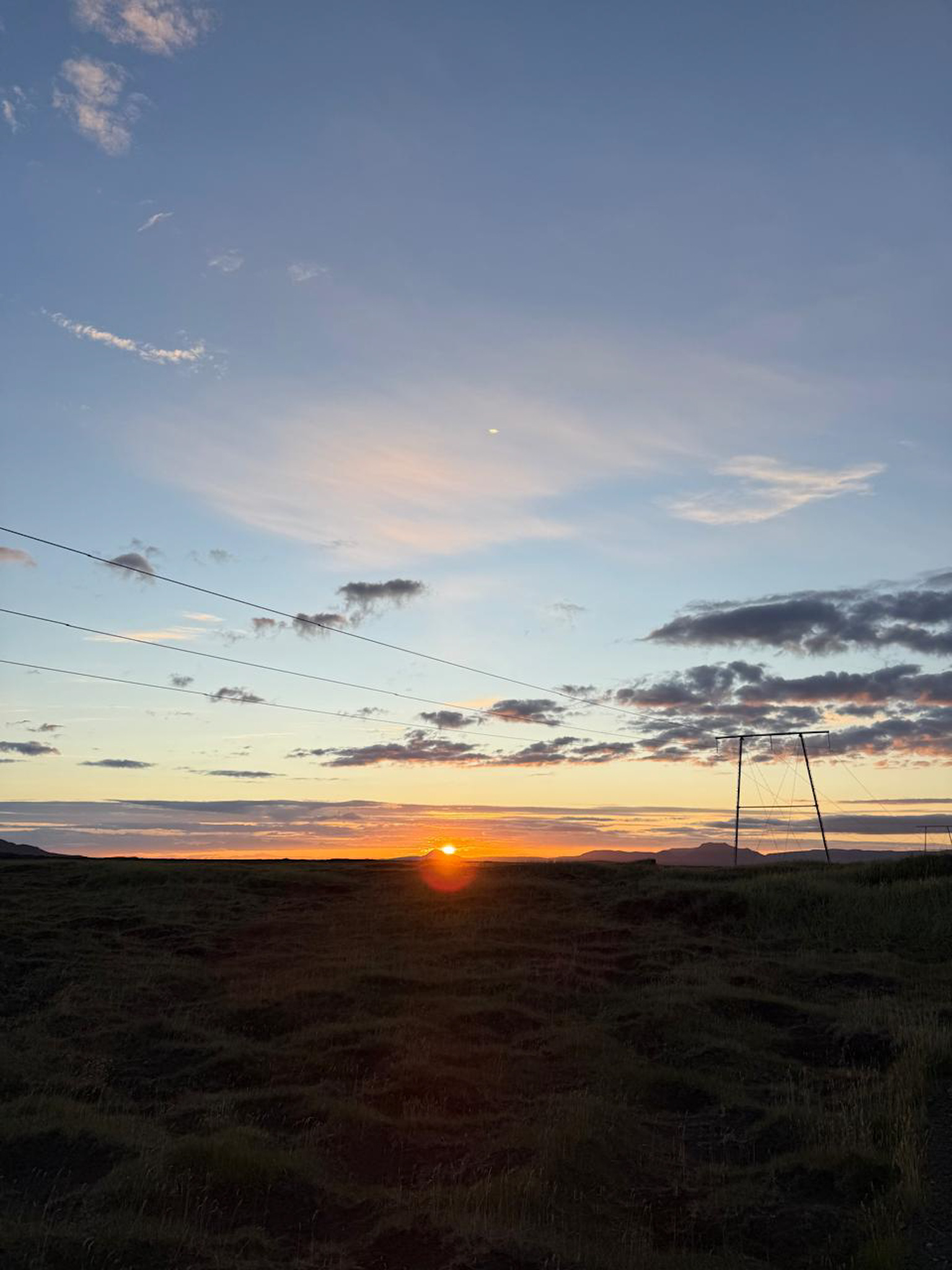
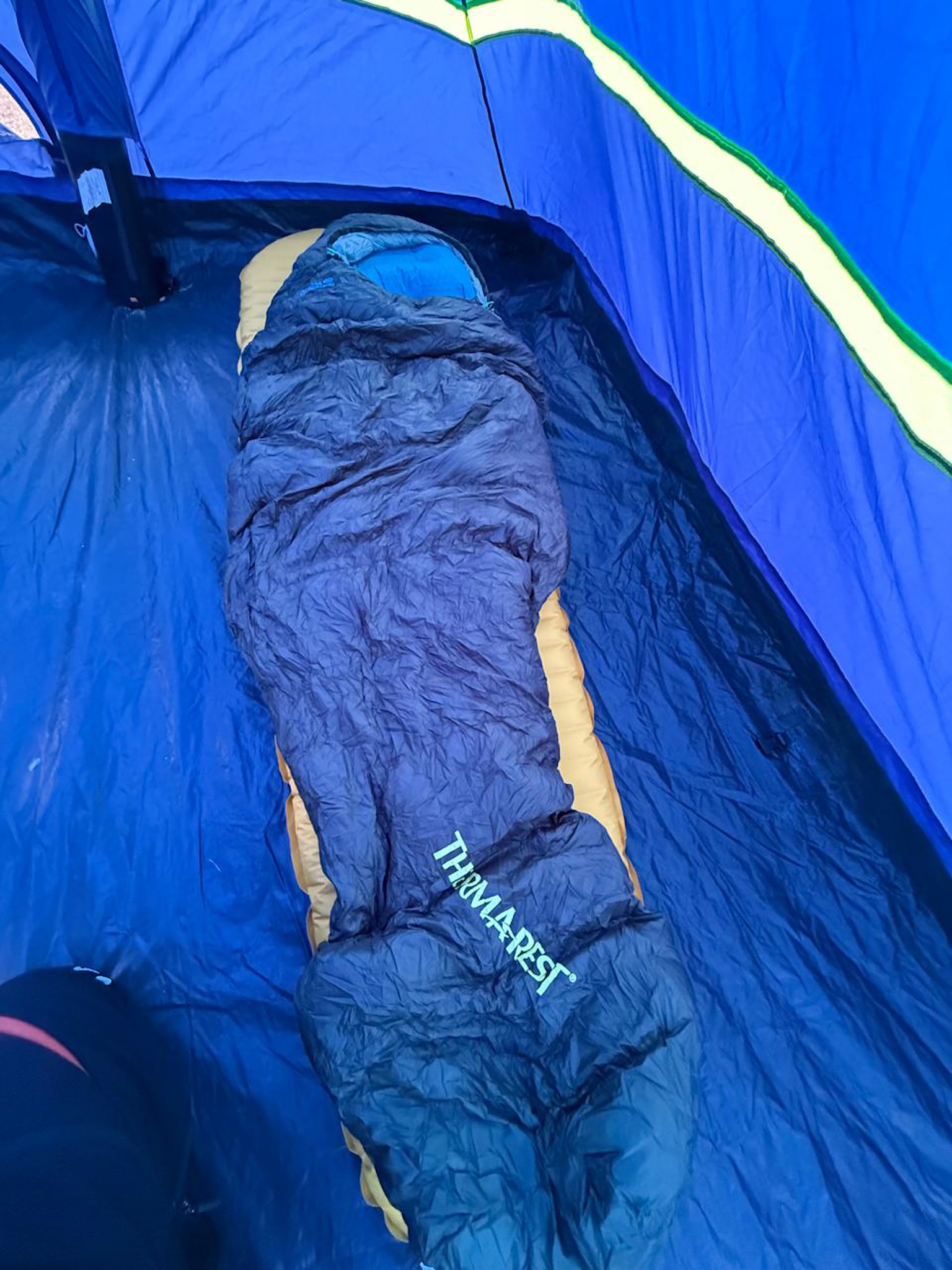
The race director found me and said my shoulder looked bad but the hospital was 100 miles away. I could either stop or keep going and deal with it at home. I kept going. He let me lighten my pack a bit, taking out stuff like power banks. The whole week was agony but it was fun with it. We were 30 people together, all going through the same thing, all stinking, all fed up with freeze-dry food. I was so tired one morning I had chili con carne for breakfast just because I couldn't be bothered reading the label.
1 / 10
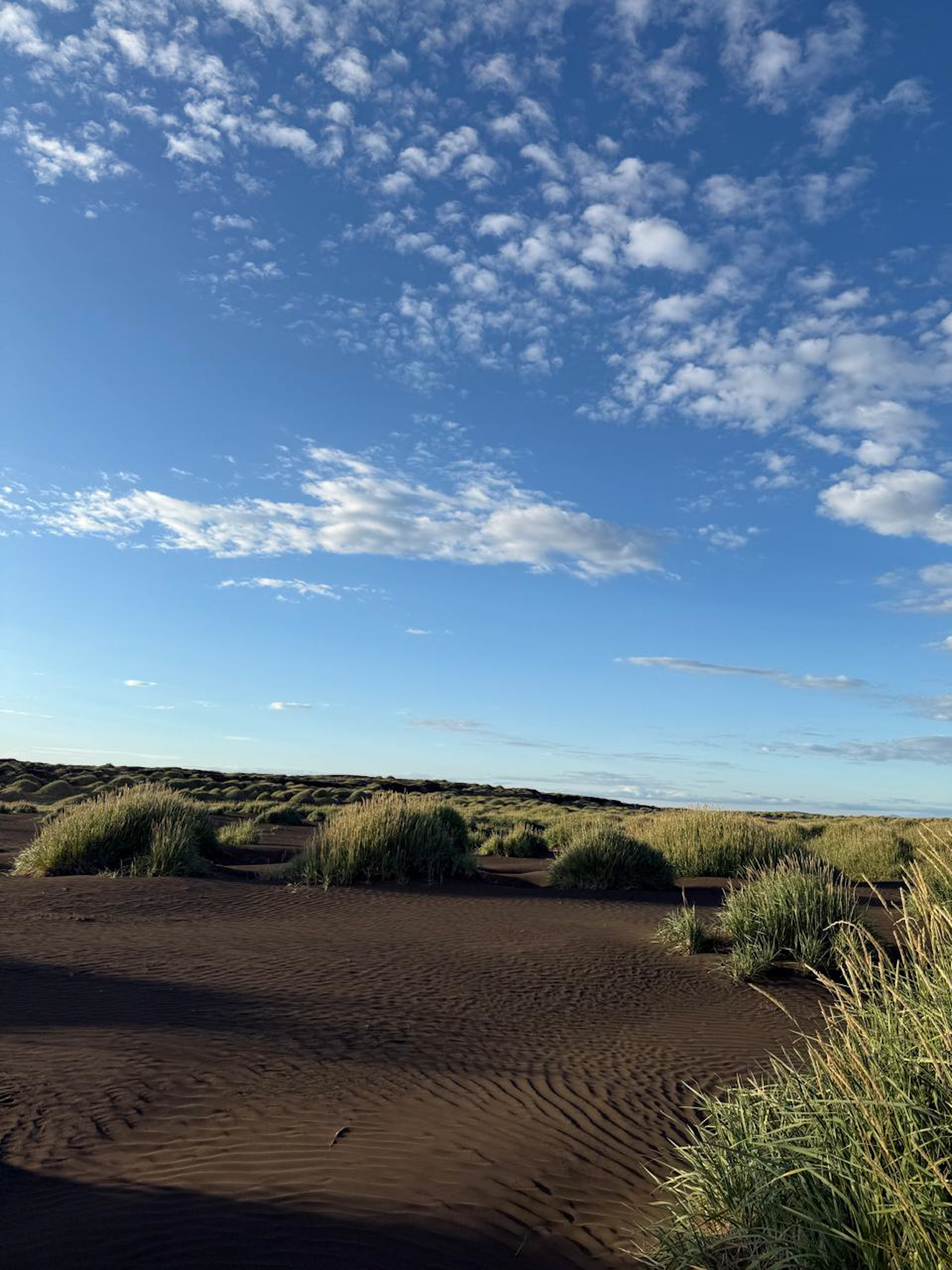
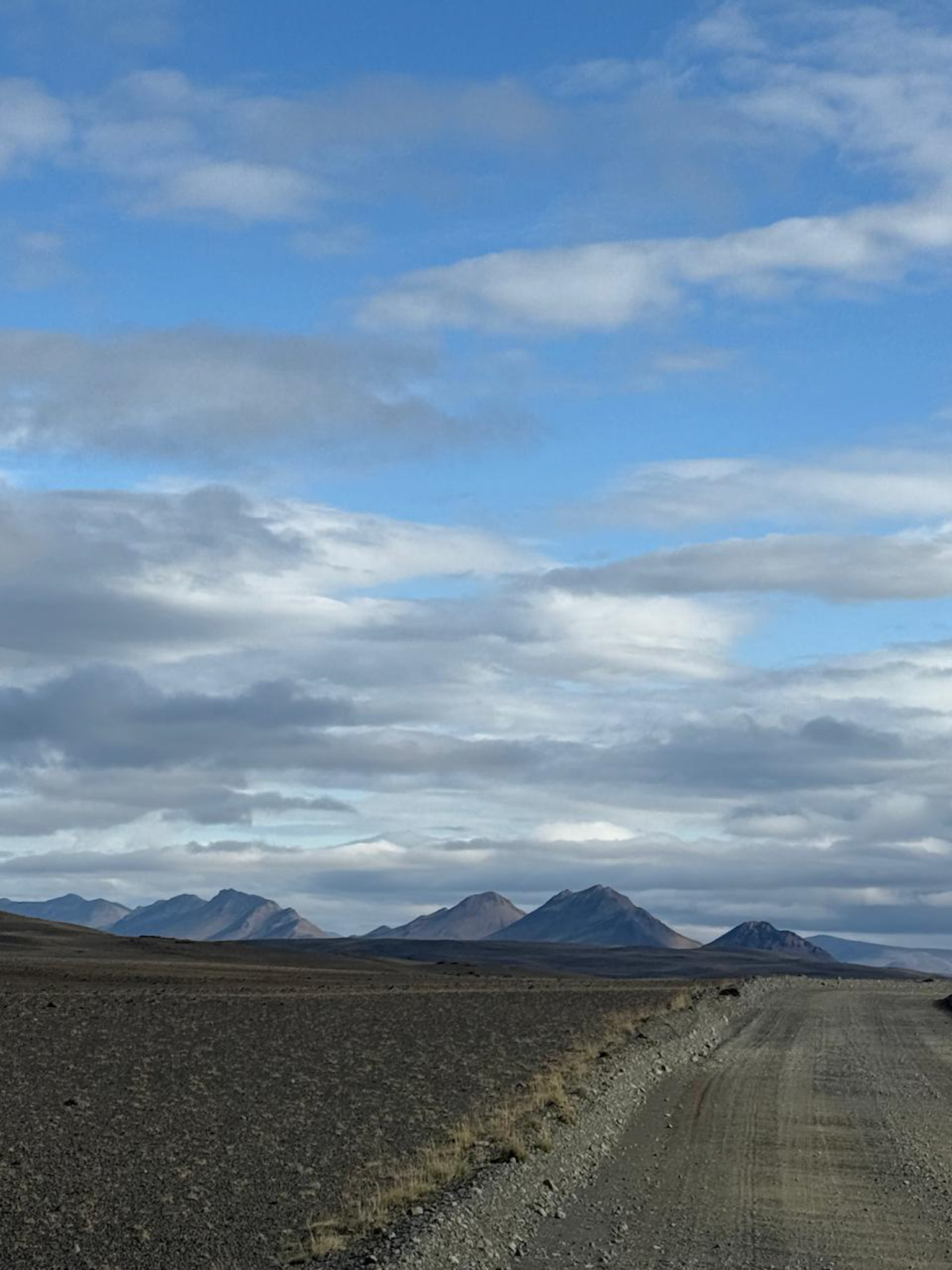
I finished 13th overall. The last day was short - just a half marathon - and I couldn't sleep with excitement the night before. I'd loved every second of it, even when I was broken. We came out of the barren volcanic landscape into greener terrain, saw the second most powerful waterfall in Europe, and then it was the final push. The lads I was running with were all solid trail runners, army guys, but on the rough technical stuff I was flying off ahead. I was this little plumber from the Isle of Man chasing after them. We had a competitive sprint finish and when I crossed the line I went straight for a cheeseburger. I've never been so happy to see food in my life.
From California heat to Welsh exposure
After Iceland I kept waking up in the night thinking I was in a tent. For two weeks I was reliving it, hearing the outside noises. Once I got past that trauma and got over the thought of never eating freeze-dry food again, I was straight back on it. Hazel was doing the Copper Trail Sky Race in Wales and so was I, and then I found out Tom Avery was going and Orran and Nikki were doing the bigger one. Two days before Wales we did Carrigan Fell, a two-mile fell race that absolutely destroyed both our feet with blisters. But then I did 250 kilometres in Iceland without a single blister. Typical.
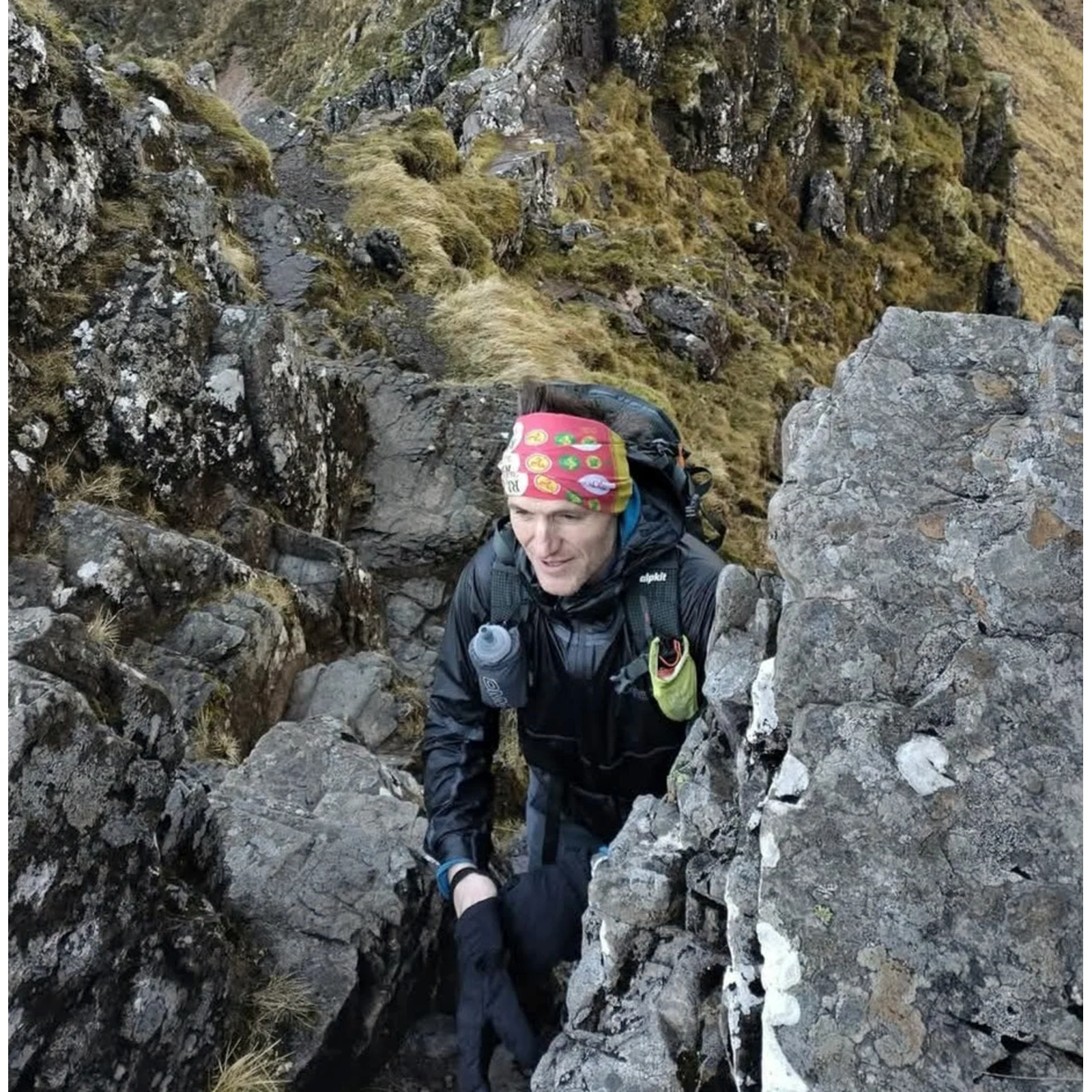
The Copper Trail was 17 and a half miles up Snowden with technical scrambling and exposure. By the time we got to the top it was hailing, visibility was terrible, and we weren't even sure where the checkpoint was. We just carried on. Coming down the other side was rough rocky terrain, then we had to scramble up the back of Snowden through a rocky bit with big drops. I got scared of heights that day, which I didn't know about myself. But I got to the top and made some friends on the way down.
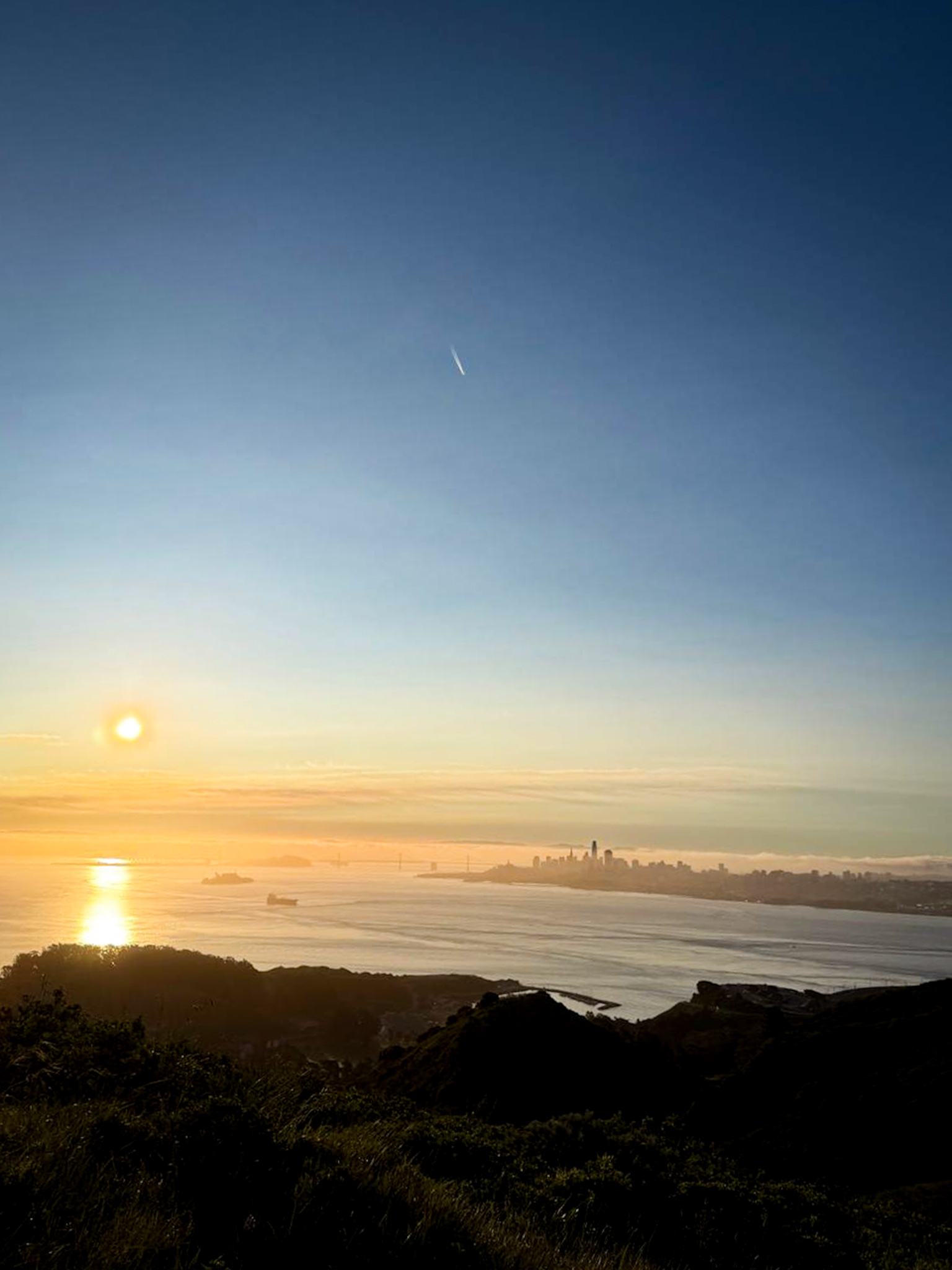
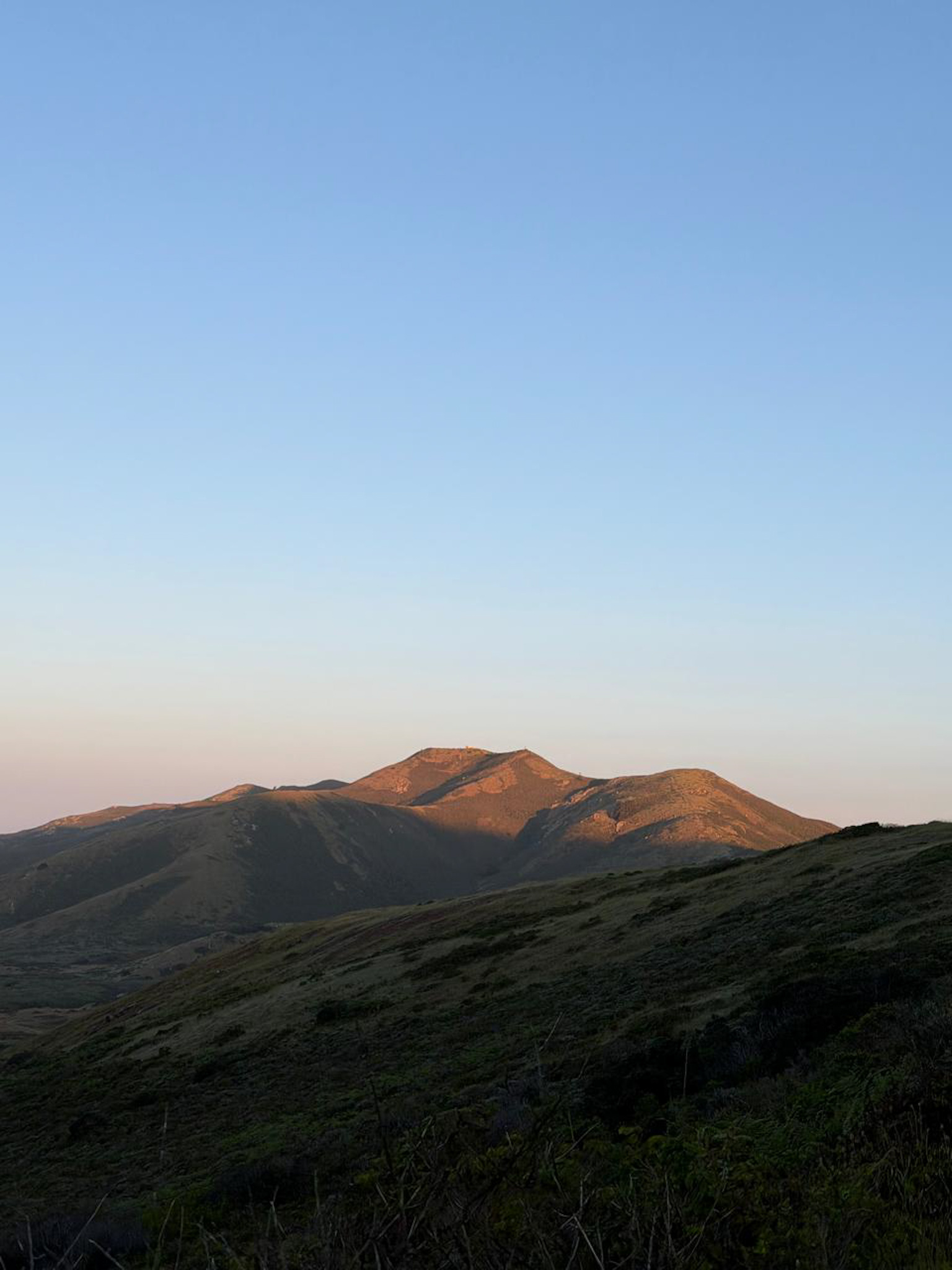
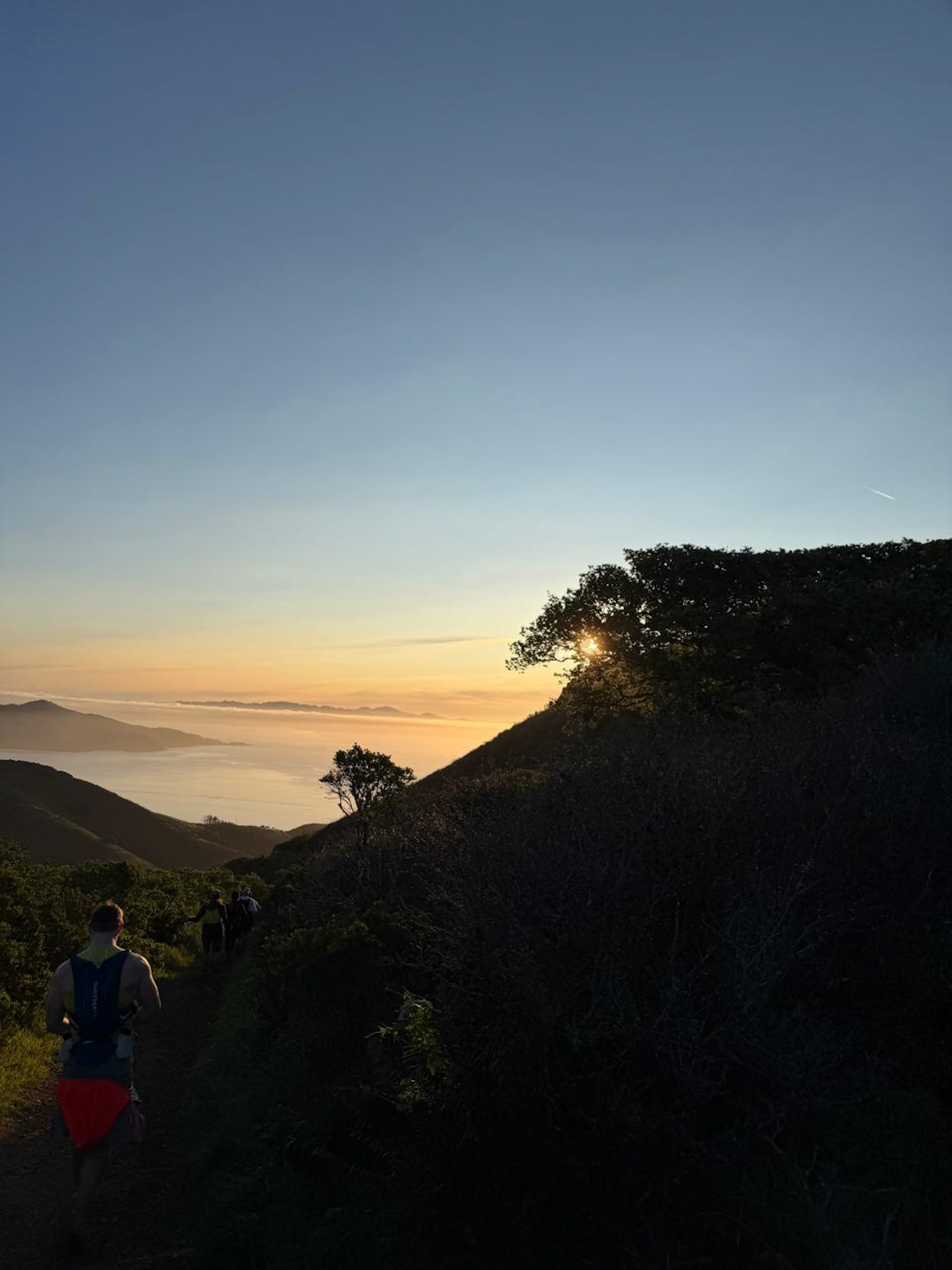
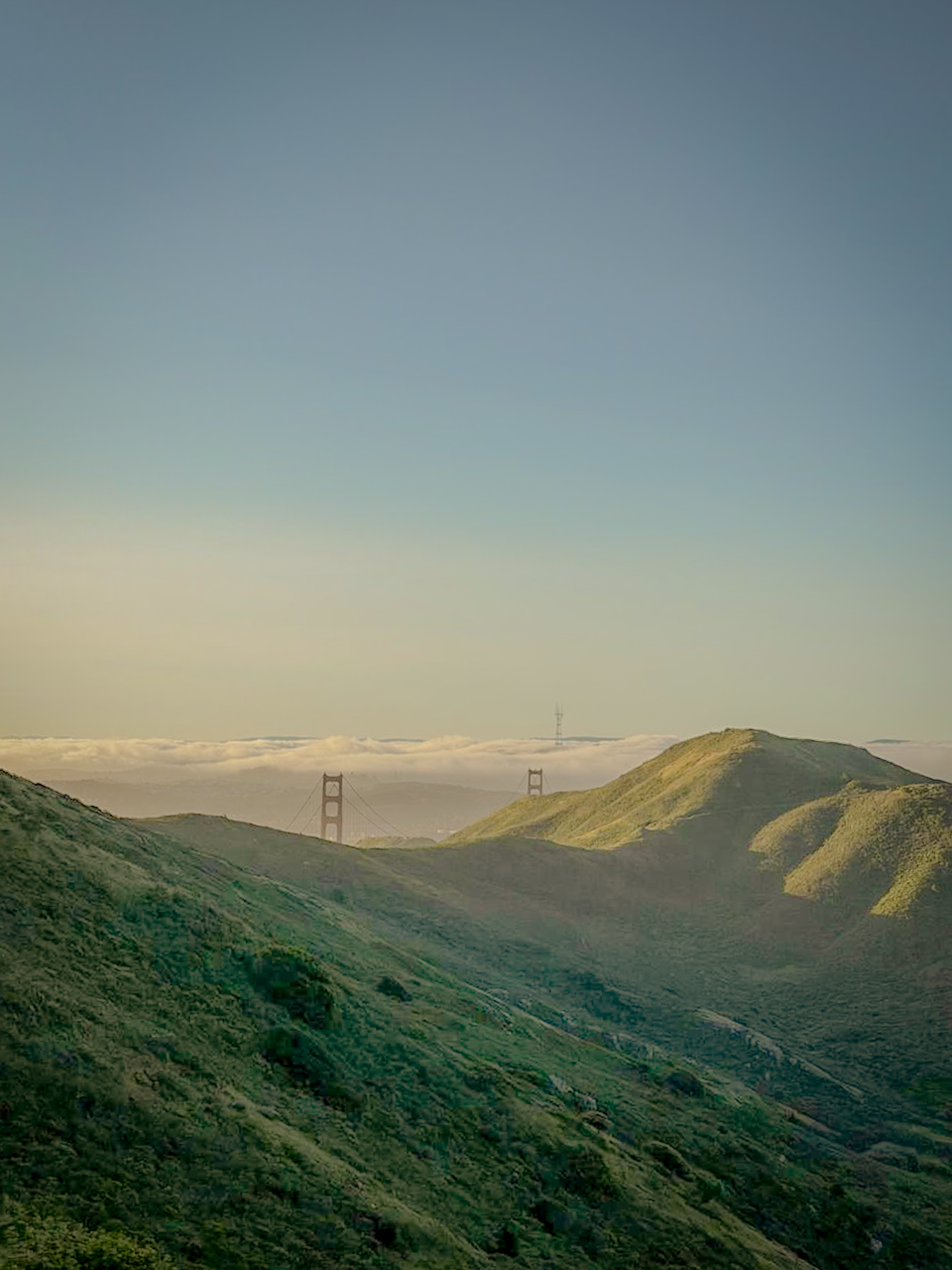
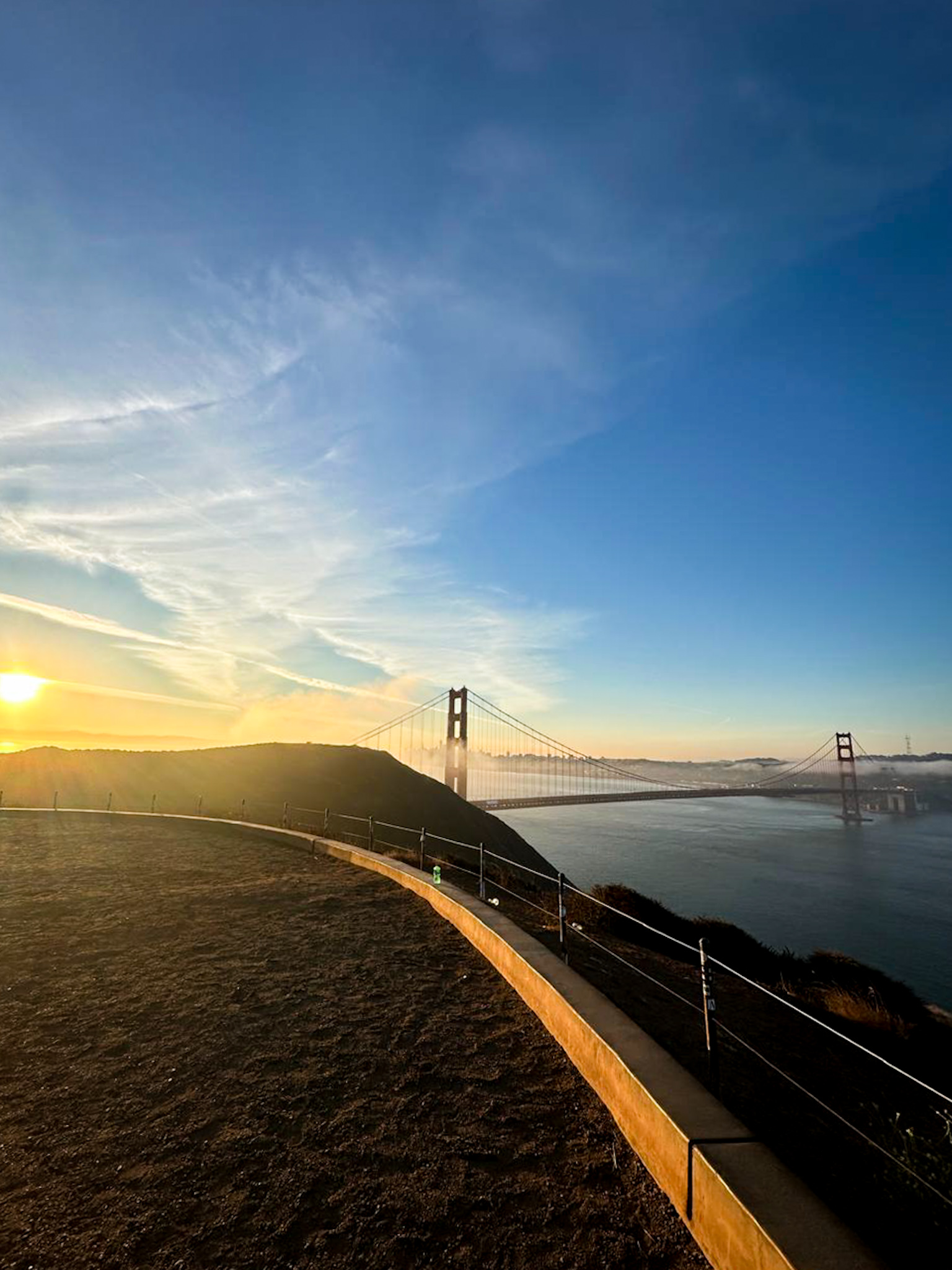
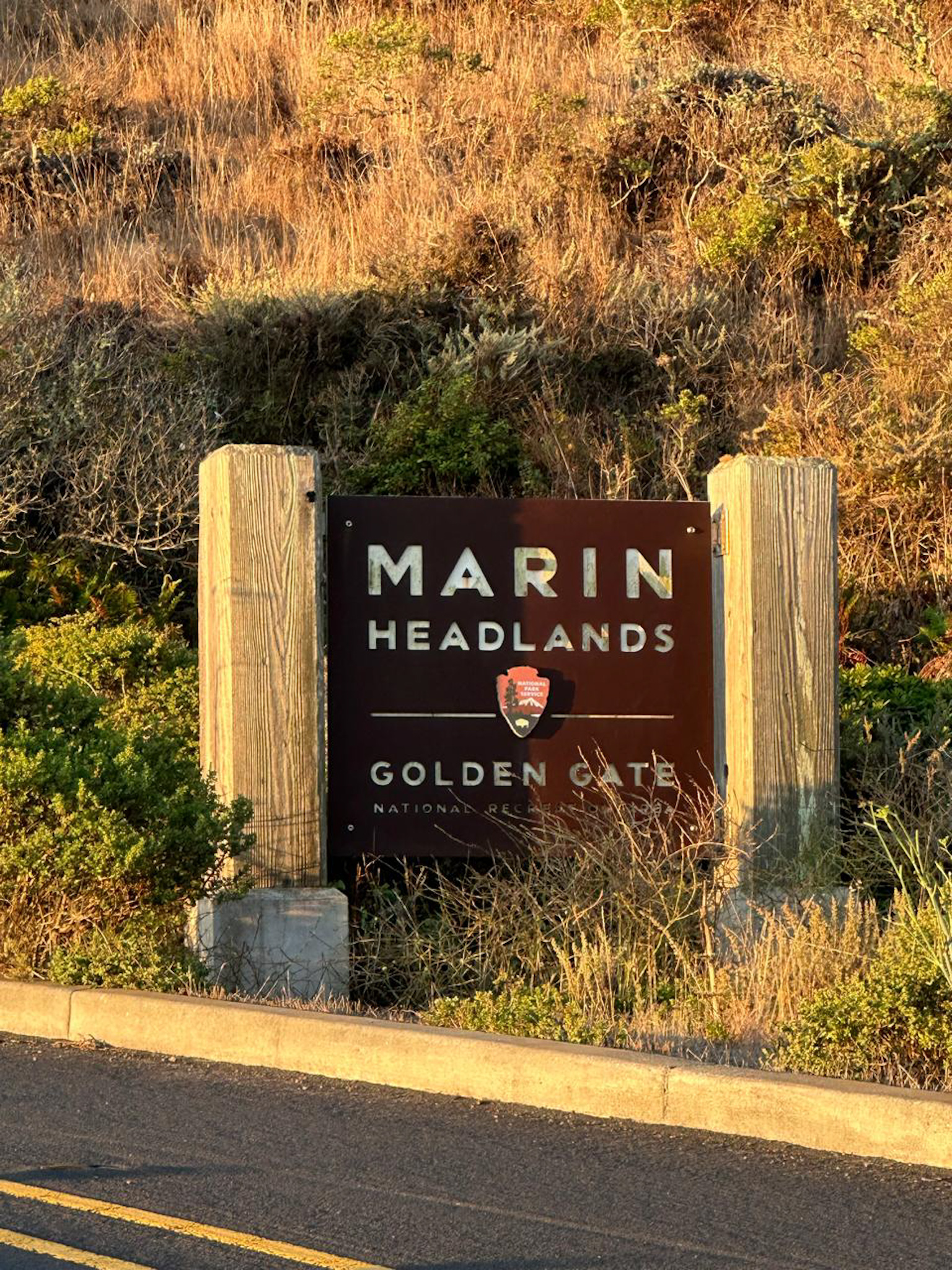
After that I jumped into the Marin Headlands 50-miler in San Francisco. I'd been on holiday there with my son and his fiancée and looked up races - the usual story for me now. That race was a completely different challenge. We trained through the Manx winter, brutal conditions, and then landed in 25-degree heat. I hadn't slept well the night before, still on UK time, and had to eat at 4 in the morning in the Uber. The race started on a beach and went straight up mountain into a trail.
1 / 6
By midday it hit 31 degrees. There were no trees, just the side of a mountain and I felt like my skin was blistering. I made it to about 40 miles and then just shut down. I was doing damage maintenance, just trying to survive. I saw snakes, deer, went through Muir Woods with massive redwoods giving some shade. It got dark and I realised I was on my own. At mile 44 I crouched down to get my head torch and everything cracked. I was putting it on like a drunk person eating a kebab whilst hearing rustling in the bushes - snakes, coyotes, mountain lions, who knows. I zipped everything back up and legged it. I finished in 13 and a half hours and my son was at the finish line. I was red hot from the sun all day but then it went freezing cold. My hips were aching so much I couldn't sit or stand.
Proving the doctors wrong: Better lung function and better life
A year into running I went back to see my asthma nurse for a flow test - you blow into a tube and it measures how many millilitres you can hold in your lungs. Before I started running I was hitting 180 to 200, which is horrendous. That's like a seven-year-old child. After one year of running I was hitting 280 to 350. She actually went and changed the measuring equipment because she thought something was wrong with it. My lungs have basically doubled in capacity. I'm due to go back soon and I can feel it's improved again.
But it's not just the numbers on a test. Every day is different now. I feel fresh. I can't wait to get out running, even on bad days. If I have a mental health struggle, running cures it. It's the release of everything. The network of friends I've got, everything's positive. I was out running with Rosie recently - she'd had some issues with her dog and hadn't run for a while - and we did 20 plus miles together. She messaged me that she felt loads better, and so did I. I'd had a chest infection but running blew it away. It's always new, always good gossip, always a reason to get out there.
Mental health. Yeah. I just can't wait to get out running if I have a bad day. Just go running. It's the release of everything really.
Mick
The positive influence has spread beyond me too. My older lad got into powerlifting but a big influence in that world had a heart attack and died young. That opened his eyes to needing some cardio. He started doing little runs and now they're getting bigger and bigger. He's entered a half marathon for August. My youngest loves rugby and he'll come running around the Arch Allegan with me sometimes. It's had a positive influence all around.
Looking ahead, I've got the Backyard Ultra on October 2nd as my main focus - I'm going to keep going until I drop. That race is perfect for someone like me because it's about resilience, not speed. I want to pinpoint everything about nutrition and fuel because at some point I'm going to have to give up, and that DNF will be a good thing when I look back at what I achieved. After that comes the Winter on the Downs 100 in December, and in between I want to do the Bob Baxter Challenge - hitting all 37 peaks above 1000 feet on the Isle of Man. That takes planning because it's private land, and I'll aim for August when the bracken's dying down so I don't get caught with ticks. I'll also pick up some fell races in the new season starting September. The journey from being told I'd only get worse to this - it's all been possible with the right help and a bit of stubbornness.